Добрый день, Коллеги. Важное сообщение, просьба принять участие. Музей Ферсмана ищет помощь для реставрационных работ в помещении. Подробности по ссылке
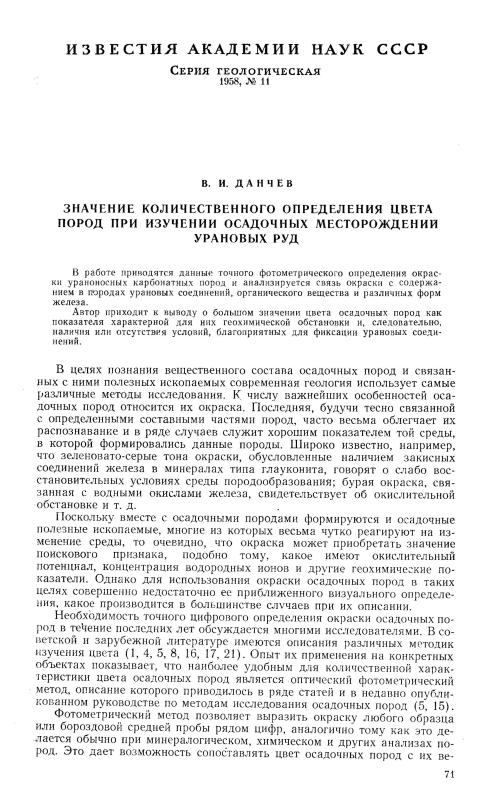
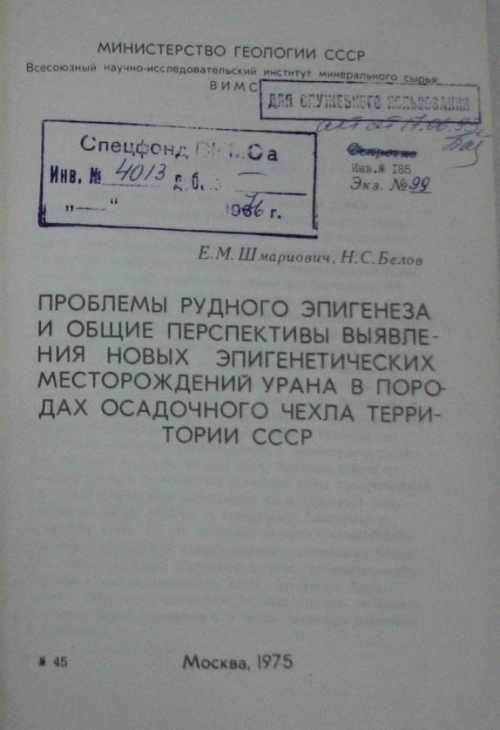
В работе приводятся данные точного фотометрического определения окраски ураноносных карбонатных пород и анализируется связь окраски с содержанием в породах урановых соединений, органического вещества и различных форм железа. Автор приходит к выводу о большом значении цвета осадочных пород как показателя характерной для них геохимической обстановки и, следовательно, наличия или отсутствия условий, благоприятных для фиксации урановых соединений.
Метод гамма-каротажа является основным методом геофизического опробования урановых руд. Параметры рудных по урану интервалов (мощность рудного интервала и массовая доля в нем урана), определенные этим методом, используют (в соответствии с Методическими рекомендациями по геофизическому опробованию при подсчете запасов месторождений металлов и нерудного сырья, утвержденными распоряжением МПР России от 05.06.2007 г. № 37-р) при подсчете и учете запасов урана в недрах на стадиях поисков, разведки и эксплуатации урановых месторождений.
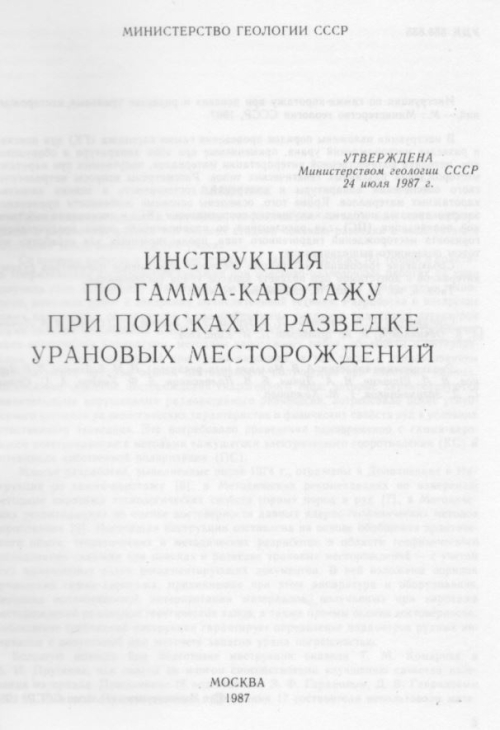
В настоящем Дополнении к Инструкции по гамма-каротажу при поисках и разведке урановых месторождений (М., 1987) приведена редакция п. 1.5 «Градуировка радиометров» с помощью источников ионизирующих излучений (ИИИ) из 137Cs: излагаются требования к ИИИ из 137Cs, при соблюдении которых эти источники можно использовать для градуировки гамма-каротажных радиометров, и методика градуирования гамма-каротажных радиометров. При соблюдении требований настоящих дополнений каротажный радиометр, проградуированный на ИИИ из 137Cs, сохраняет традиционное значение пересчетного коэффициента (115 ) мкР/ч на 0,01% равновесного урана. Градуировка гамма-каротажных радиометров с использованием ИИИ из 226Ra проводится в соответствии с п. 1.5 Инструкции по гамма- каротажу при поисках и разведке урановых месторождений, М., 1987.
В инструкции изложены порядок проведения гамма-каротажа (ГК) при поисках и разведке месторождений урана, применяемые при этом аппаратура и оборудование, методика количественной интерпретации материалов, получаемых при каротаже месторождений различных генетических типов. Рассмотрены вопросы метрологического обеспечения аппаратуры и измерений, достоверность и оценка качества . каротажных материалов.
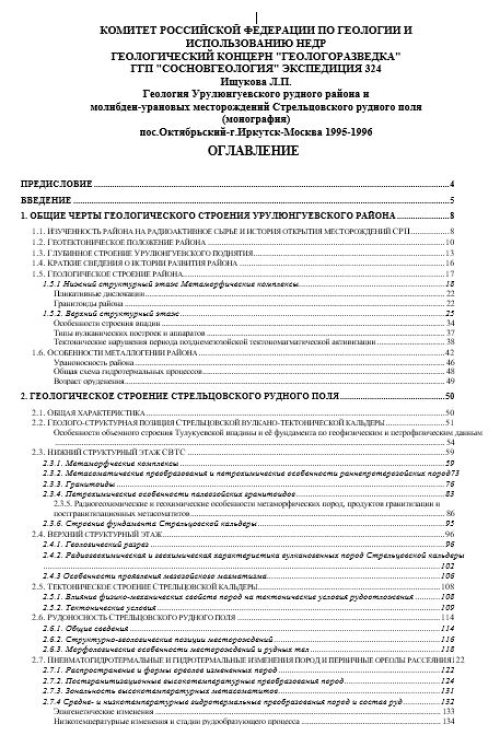
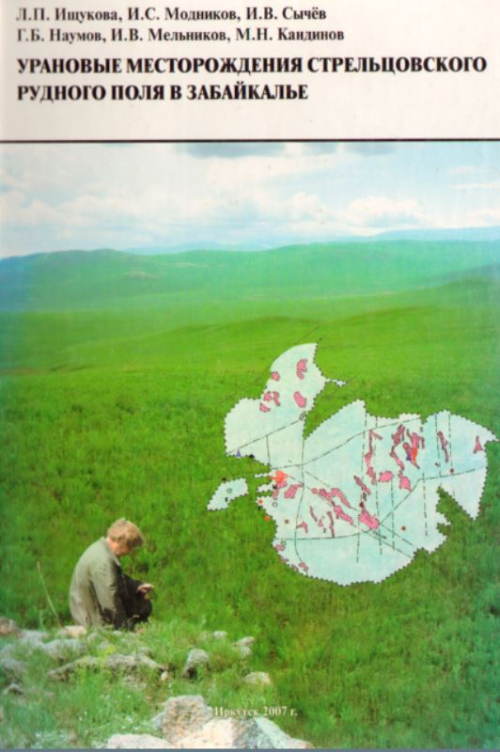
В южной части Восточного Забайкалья, в пределах внутриконтинентального позднемезо-зойского вулканического пояса в вулкано-тектонической кальдере образовались уникальные мо-либден-урановые месторождения, открытые в 1963 году и уже через несколько лет вставшие в по-четный ряд крупнейших месторождений мира. Эти месторождения локализованы в небольшом блоке земной коры площадью около 140 квадратных километров и содержат значительные запасы богатых руд. 19 гидротермальных месторождений представляют единое Стрельцовское рудное поле. Они находятся в экономически освоенном горнорудном районе, но в связи с тем, что руды практически не имеют выходов на дневную поверхность, залегают в основном в интервале глубин 150-800 м, к открытию этих месторождений геологи шли в течение 15 лет.
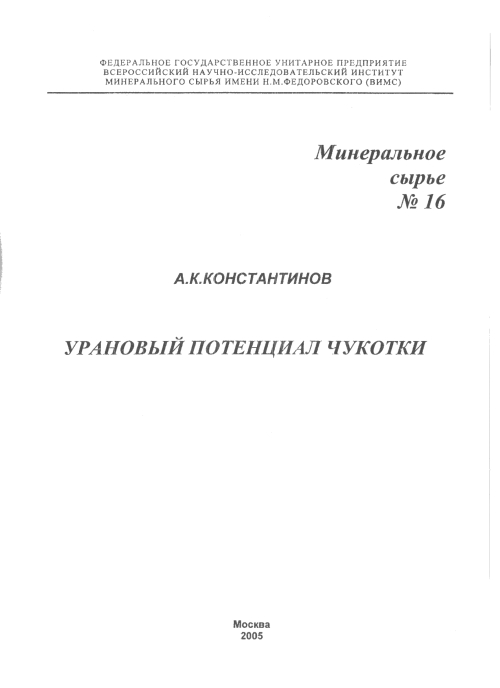
Книга посвящается памяти Евгения Михайловича Белова крупного исследователя в области металлогении урана Чукотки. Рассматриваются вопросы возможного выявления в пределах Чукотской потенциально урановорудной провинции промышленных месторождений урана. Охарактеризована история специализированной на уран изученности территории провинции, рассмотрены вопросы структурно-тектонического и металлогенического районирования, дается развернутая характеристика пегролого-петрохимических и радиогеохимических особенностей метаморфических и магматических структурно-формационных комплексов. Центральную часть работы составляет описание четырех потенциально урановорудных районов и шести урановых месторождений, изученных с различной степенью детальности. Выделены два основных промышленных типа уранового оруденения - жильно-штокверковый в вулкано-тектонических текстурах и в зонах дробления в высокорадиоактивных редкометалльных гранитах. Анализируются закономерности размещения уранового и другого эндогенного оруденения относительно глубинноплотностных неоднородностей земной коры. На основе анализа проявленности известных поисковых критериев и признаков уранового оруденения указанных выше промышленных типов дается положительная оценка промышленных перспектив ураноносности Восточной Чукотки. В качестве текстового поиложеиия приводится краткая характеристика термоминеральных источников района.
Открытие, разведка, изучение и передача в промышленное освоение крупных урановых месторождений Стрельповского рудного поля в Юго-Восточном Забайкалье является результатом труда огромного коллектива ПГО «Сосновгелогия», ныне БФ «Сосновгеология», 60 юбилею которого и посвящается эта книга, а также специалистов НИИ: ВИМСа, ИГЕМа АН СССР, ВСЕГЕИ, ВИРГа, ЗабНИИ. Оперативную добычу урановых руд по решению Правительства начали организации Министерства Среднего машиностроения уже через 5 лет после их выявления. Таким образом, на Востоке была создана мощная минерально-сырьевая база для добычи природного урана и страна вышла в лидеры по атомной энергетике.