Добрый день, Коллеги. Важное сообщение, просьба принять участие. Музей Ферсмана ищет помощь для реставрационных работ в помещении. Подробности по ссылке
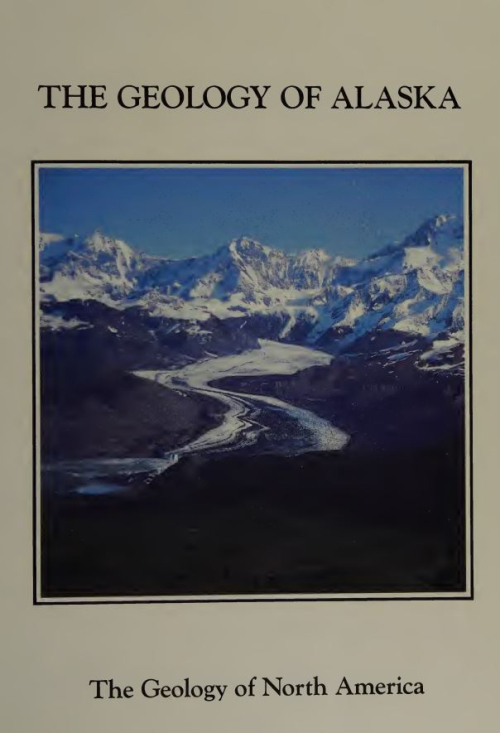
The Geology of Alaska summarizes the onshore and offshore geology, tectonic evolution, and mineral resources of Alaska and the adjacent continental margin. The volume was prepared at a particularly appropriate time because it follows a period during which there has been an explosive increase in the amount, quality, and regional coverage of earth science data collected in Alaska and because the unifying concepts of plate tectonics and accretionary terranes have become available as a framework for interpreting the data.
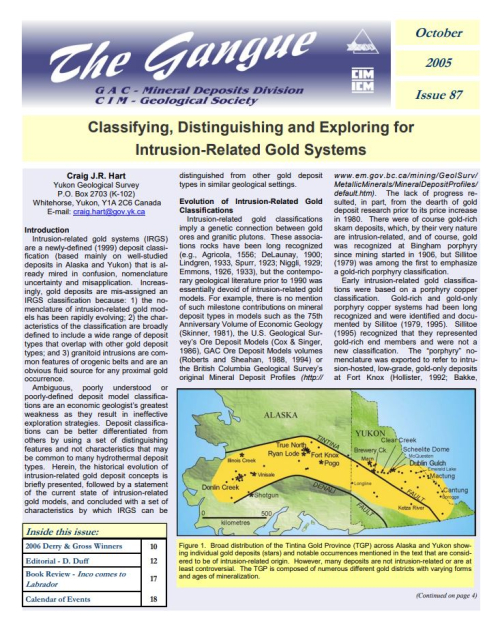
Intrusion-related gold systems (IRGS) are a newly-defined (1999) deposit classification (based mainly on well-studied deposits in Alaska and Yukon) that is already mired in confusion, nomenclature uncertainty and misapplication. Increasingly, gold deposits are mis-assigned an IRGS classification because: 1) the nomenclature of intrusion-related gold models has been rapidly evolving; 2) the characteristics of the classification are broadly defined to include a wide range of deposit types that overlap with other gold deposit types; and 3) granitoid intrusions are common features of orogenic belts and are an obvious fluid source for any proximal gold occurrence.
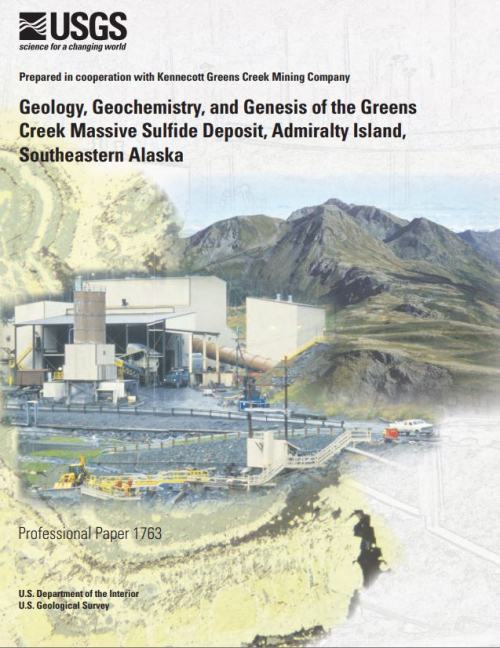
In 1996, a memorandum of understanding was signed by representatives of the U.S. Geological Survey and Kennecott Greens Creek Mining Company to initiate a cooperative applied research project focused on the Greens Creek massive sulfide deposit in southeastern Alaska. The goals of the project were consistent with the mandate of the U.S. Geological Survey Mineral Resources Program to maintain a leading role in national mineral deposits research and with the need of Kennecott Greens Creek Mining Company to further development of the Greens Creek deposit and similar deposits in Alaska and elsewhere.
Uralian-Alaskan-type mafic to ultramafic complexes form a narrow, 900 km long, N-Strending chain in the northern and central parts of the Ural orogenic belt. Characteristic features like their concentric lithologic zonation, the absence of orthopyroxene in the ultramafic rocks and platinum group element (PGE) mineralization, which is the source for economic PGE placer deposits, discriminate Uralian-Alaskan-type complexes from other mafic-ultramafic intrusions.
Alaskan-type ultramafic-mafic intrusions occur along a belt that extends from Duke Island to Klukwan in southeastern Alaska and fall into two age groups400 to 440 Ma; and 100 to 118 Ma. Most of the intrusions occur in the Alexander terrane or in the Gravina overlap assemblage, but they are not restricted to these terranes. The Alaskan-type ultramafic bodies range in size from sills only a few meters thick to intrusions about 10 km in maximum exposed dimension. Most of the bodies consist of magnetite-bearing hornblende clinopyroxenite or hornblendite, however many of the larger ones also include dunite, wehrlite, olivine clinopyroxenite, and, in some cases, gabbro.
В работе обобщен опыт освоения минерально-сырьевых ресурсов Аляски. Произведен обзор минерально-сырьевых запасов, их современного промышленного освоения с описанием действующих предприятий горнорудной и нефтегазовой промышленности, а также предприятий, предназначенных к вводу в строй в течение ближайших 1-3 лет.
Усовершенствован метод расчета количественных палеоклиматических параметров по архитектуре листьев древних покрытосеменных. Количественные данные о позднемеловом климате Евразии и Аляски отвечают как качественным характеристикам климатов соответствующих фитохорий, так и палеоширотному положению проанализированных флор. Различия между геологическими данными о позднемеловом климате Земли и его компьютерными моделями ставят под сомнение способность последних предсказывать будущее потепление глобального климата. Экологические особенности меловых животных и растений Арктики отражают их адаптацию к высокоширотному умеренному гумидному климату с мягкими безморозными зимами и резкой сезонностью солнечного освещения. Для геологов и палеонтологов, работающих в области палеоклиматических и палеоботанических исследований.
В книге проведена корреляция позднеплейстоценовых отложений Чукотки, Аляски и Западной Сибири. Рассматриваются палеогеография территории в неоген-плейстоцене, развитие многолетнемерзлых пород, растительности, фауны, палеотемпературный режим Берингова и Чукотского морей, развитие отдельных процессов и компонентов природы Чукотки, тенденции и основные этапы эволюции природы в позднем кайнозое.
У нас есть: 33739 книг, 8298 карт, 47 инбоксов. Итого: 42084 материала