Добрый день, Коллеги. Важное сообщение, просьба принять участие. Музей Ферсмана ищет помощь для реставрационных работ в помещении. Подробности по ссылке
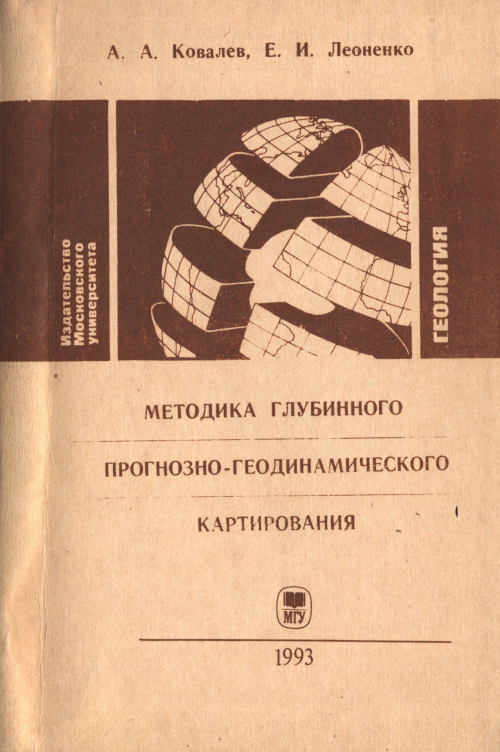
В учебном пособии рассматриваются методика палеогеодинамического анализа для сложноскладчато-надвиговых внутриконтинентальных поясов, принципы и методы составления геодинамических карт как прогнозной основы. Изложена методика минерагенического анализа и составления глубинных прогнозно-геодинамических карт, опыт применения методики в некоторых конкретных горно-рудных районах.
Работа представляет собой методическое пособив к курсам "Металлогения" и " Методика прогнозно-геодинамического картирования" и предназначена для студентов старшие курсов, аспирантов, преподавателей. Может использоваться при создании новых серий геологических карт масштаба 1:200 000 и 1:50 000 для Урала, Алтая, Забайкалья, Приморья и других важнейших горно-рудных районов России и на геодинамичесяких полигонах.
В монографии на основе концепции рудоконцентрирующих структур рассмотрены тектоно-магматические факторы концентрации эндогенного оруденения различных регионов СССР и некоторых территорий за рубежом; приводятся новые доказательства глубинной природы сквозных структур и связанных с ними магматических образований; анализируется зависимость рудоконцентрирующей роли сквозных структур от геодинамиче-ского режима их развития; используются новые приемы и методы выделения рудоконцентрирующих структур и рудоносных узлов; показаны роль и соотношения структурных и магматических факторов в концентрации эндогенного оруденения различных типов.
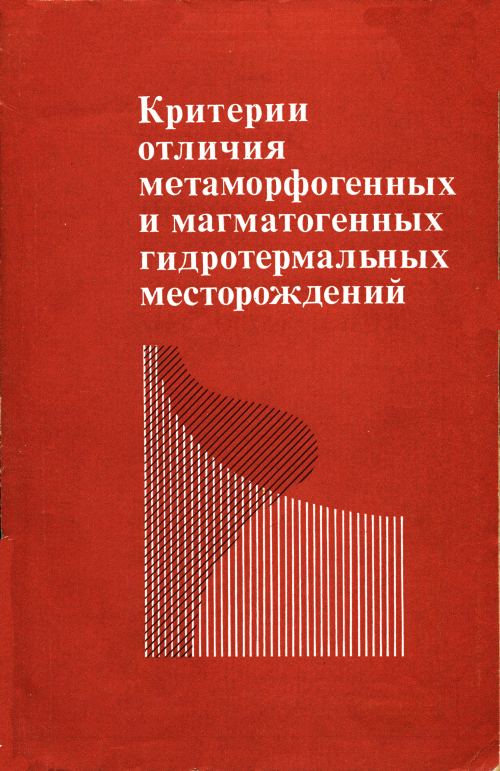
В сборнике обсуждаются критерии отличия разнотипных метаморфо-генных и магматогенных рудных месторождений, их значение для прогнозных построений, постановки и проведения поисковых работ по четырем взаимосвязанным направлениям: модели генезиса и возможности критического отбора, на их основе системы диагностических признаков; полигенетичность и’ полихронность гидротермальных месторождений; источники рудного вещества и флюидов по геологическим, геохимическим (в том числе изотопным) и термобарометрическим данным; роль метасо-матитов при образовании месторождений разных классов.
Для специалистов в области геологии рудных месторождений, геохимии, петрологии.
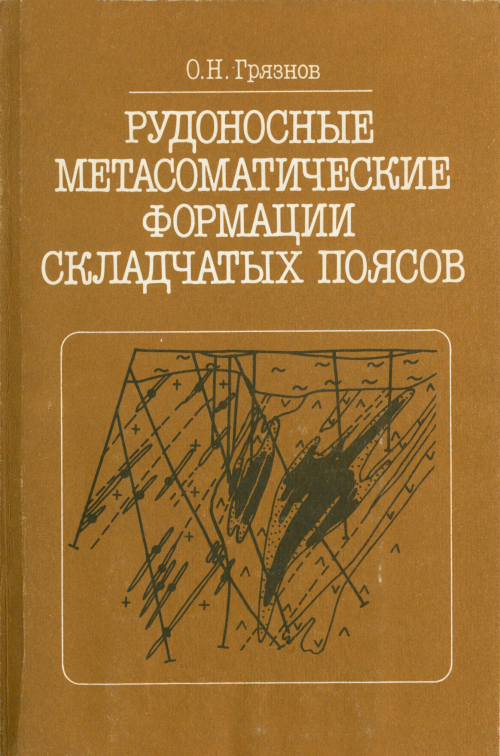
Рассмотрены основные понятия, термины и роль метасоматоза в геологических процессах, главные типы рудоносных метасоматических формаций складчатых поясов. Приведена характеристика метаморфогенных, плутоноген-ных, плутоногенно-вулканогенных и вулканогенных формаций. Описаны закономерности размещения формаций: положение в региональных структурах, связь с метаморфизмом и магматизмом, геохронология, метасоматическая зональность рудоносных территорий, геохимическая и металлогеническая специализация формаций, рудно-метасоматические ассоциации. Показано практическое значение формаций при прогнозировании и поисках промышленных месторождений.
Для геологов, занимающихся прогнозированием, поисками и разведкой эндогенных месторождений.
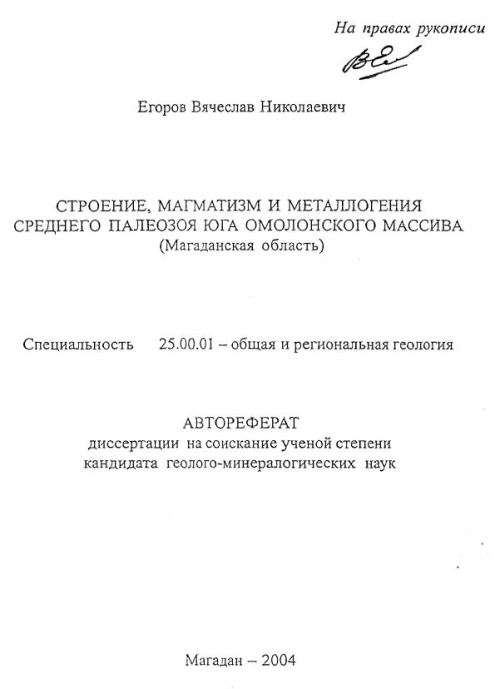
Средний палеозой Омолонского массива, составляющий основу крупного реконструируемого регионального вулканоплутонического пояса (ВПП), привлекателен как уникальностью своего строения и интенсивностью проявления магматизма, так и высоким металлогеническим потенциалом. Поэтому всестороннее познание геологии среднего палеозоя региона всегда было и остается весьма актуальным в теоретическом и практическом аспектах. Актуальность этого еще более возросла в связи с открытием и близящейся выработкой крупнейшего на Северо-Востоке и в России золото-серебряного местороиодения Кубака среднепалеозойского возраста.
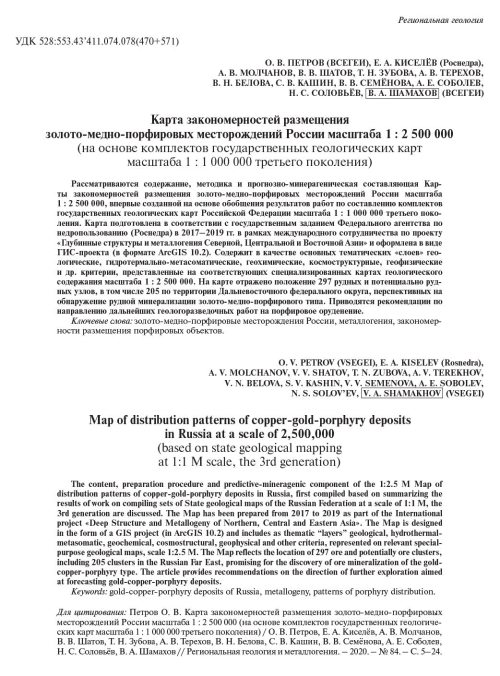
Рассматриваются содержание, методика и прогнозно-минерагеническая составляющая Карты закономерностей размещения золото-медно-порфировых месторождений России масштаба 1 : 2 500 000, впервые созданной на основе обобщения результатов работ по составлению комплектов государственных геологических карт Российской Федерации масштаба 1 : 1 000 000 третьего поколения. Карта подготовлена в соответствии с государственным заданием Федерального агентства по недропользованию (Роснедра) в 2017–2019 гг. в рамках международного сотрудничества по проекту «Глубинные структуры и металлогения Северной, Центральной и Восточной Азии» и оформлена в виде ГИС-проекта (в формате ArcGIS 10.2). Содержит в качестве основных тематических «слоев» геологические, гидротермально-метасоматические, геохимические, космоструктурные, геофизические и др. критерии, представленные на соответствующих специализированных картах геологического содержания масштаба 1 : 2 500 000. На карте отражено положение 297 рудных и потенциально рудных узлов, в том числе 205 по территории Дальневосточного федерального округа, перспективных на обнаружение рудной минерализации золото-медно-порфирового типа. Приводятся рекомендации по направлению дальнейших геологоразведочных работ на порфировое оруденение. <...>
Ore deposits are distributed unevenly on Earth and tend to cluster in specific large-scale zones for which de Launay (1913) introduced the term "metallogenic province". The observational background for this situation has been known since the earliest days of mining. Pliny the Elder (A.D. 23-79) states with reference to silver-bearing veins: "...ubicumque una inventa vena est, non procul invenitur alia". (Where a vein is found, there will be another one not far away).
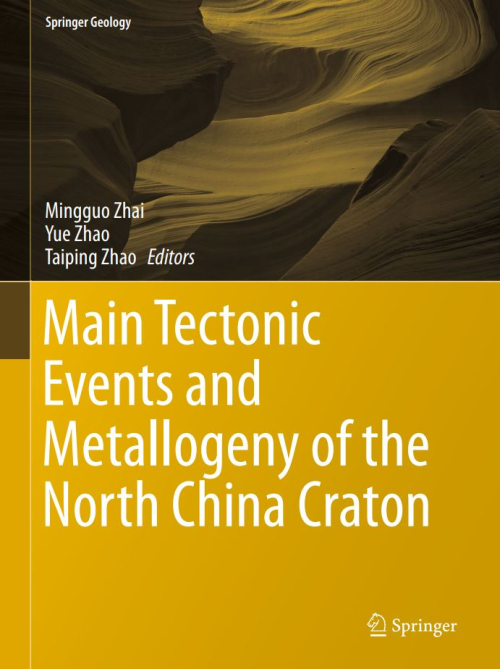
1 Corresponding Main Metallogenic Epochs to Key Geological Events in the North China Craton: An Example for Secular Changes in the Evolving Earth Mingguo Zhai and Xiyan Zhu Part I Archean Crustal Growth and Metallogeny 2 Archean Continental Crust in the Southern North China Craton
Chunrong Diwu, Chengli Zhang, and Yong Sun 3 Structural Architecture and Spatial-Temporal Distribution of the Archean Domains in the Eastern North China Craton Peng Peng