Добрый день, Коллеги. Важное сообщение, просьба принять участие. Музей Ферсмана ищет помощь для реставрационных работ в помещении. Подробности по ссылке
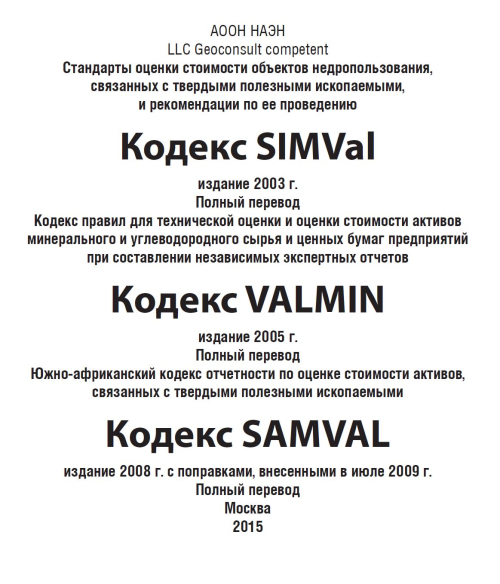
Стандарты оценки стоимости объектов недропользования, связанных с твердыми полезными ископаемыми, и рекомендации по ее проведению. Кодекс SIMVal, издание 2003 г. Полный перевод. Кодекс правил для технической оценки и оценки стоимости активов минерального и углеводородного сырья и ценных бумаг предприятий при составлении независимых экспертных отчетов. Кодекс VALMIN, издание 2005 г. Полный перевод. Южно-африканский кодекс отчетности по оценке стоимости активов, связанных с твердыми полезными ископаемыми. Кодекс SAMVAL, издание 2008 г. с поправками, внесенными в июле 2009 г. Полный перевод
1991: IMM code, broadly similar to JORC 2001: “The Reporting Code” sponsored by professional bodies IMM, GSL, IGI, and EFG, and aligned with CRIRSCO 2006: Reserves committee re-formed as PERC 2008: Updated PERC Code issued
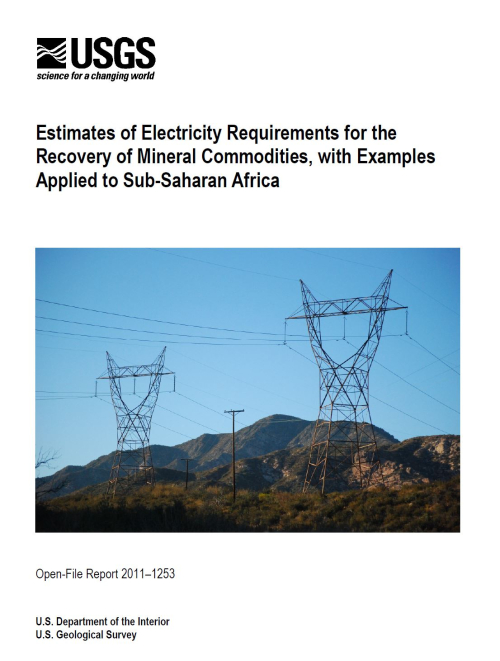
To produce materials from mine to market it is necessary to overcome obstacles that include the force of gravity, the strength of molecular bonds, and technological inefficiencies. These challenges are met by the application of energy to accomplish the work that includes the direct use of electricity, fossil fuel, and manual labor. The tables and analyses presented in this study contain estimates of electricity consumption for the mining and processing of ores, concentrates, intermediate products, and industrial and refined metallic commodities on a kilowatt-hour (kWh) per unit basis, primarily the metric ton (ton) or troy ounce. Data contained in tables pertaining to specific currently operating facilities are static, as the amount of electricity consumed to process or produce a unit of material changes over time for a great number of reasons. Estimates were developed from diverse sources that included feasibility studies, company-produced annual and sustainability reports, conference proceedings, discussions with government and industry experts, journal articles, reference texts, and studies by nongovernmental organizations (NGOs). Suggestions for additions and corrections are welcome by the author. <...>
The International Template for Reporting of Exploration Results, Mineral Resources and Mineral Reserves integrates the minimum standards being adopted in national reporting codes worldwide with recommendations and interpretive guidelines for the Public Reporting of Exploration Results, Mineral Resources and Mineral Reserves. The definitions in this edition of the International Reporting Template are either identical to, or not materially different from those definitions used in the countries represented on the CRIRSCO committee <...>
Подготовлен комитетом ЮАР по минеральным ресурсам (SAMREC) под эгидой Южноафриканского института горной промышленности и металлургии. Вступил в силу в марте 2000 г.
1.1 В Кодексе ЮАР для составления отчетов о минеральных ресурсах и минеральных запасах («Кодексе SAMREC» или «Кодексе») представлены минимальные стандарты, рекомендации и руководящие принципы для составления публичных отчетов о результатах геологоразведочных работ, минеральных ресурсах и минеральных запасах в ЮАР.
In Liberia, Mano has interests in 3 mineral licences with gold exploration activity. To date most exploration has focused on the 100,000 hectare license known as the Bea Mountain Mineral Development Agreement (BEA-MDA) in western Liberia. Mano has a 100% interest in the BEA-MDA license subject to a 10% free carried interest and a 3% royalty in favour of the Republic of Liberia. The MCA reconnaissance license (1,500,000 hectares) is held under a Mineral Cooperation Agreement (MCA) with the Republic of Liberia.
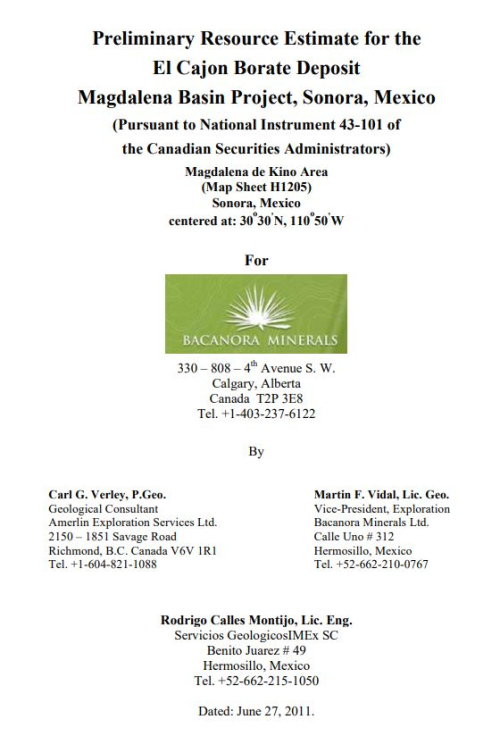
The Cajon Borate Deposit lies within Bacanora Minerals Ltd’s Magdalena Basin Project area in the state of Sonora, Northern Mexico. The Magdalena project consists of 2 concession blocks covering a total of 15,508 hectares. The concessions are 100% owned by Bacanora’s Mexican subsidiary: Minera Sonora Borax S.A. de C.V., subject to a 3% royalty to a Rio Tinto subsidiary and a 3% gross over-riding royalty to Colin Orr-Ewing. The property is road accessible and located 17 kilometres east of the town of Magdalena de Kino and has excellent access from that centre, either by rail or truck, to local markets for borate or to overseas markets from the port at Guaymas. <...>
The Australasian Institute of Mining and Metallurgy (The AusIMM) is the leading organisation representing technical minerals sector professionals in the Australasian Region. Members are bound by a Code of Ethics, and continual improvement of professional and industry standards within the sector in which they work.