Добрый день, Коллеги. Важное сообщение, просьба принять участие. Музей Ферсмана ищет помощь для реставрационных работ в помещении. Подробности по ссылке
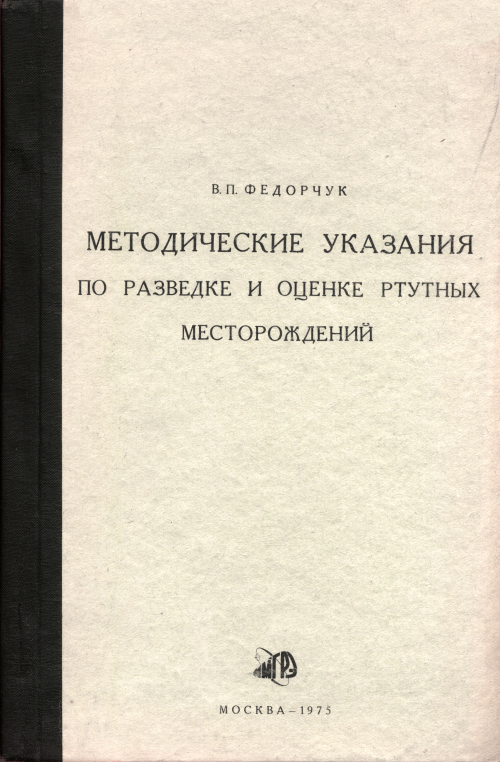
«Методические указания по разведке и оценке ртутных месторождений» рассмотрены экспертной комиссией Научно-технического совета Министерства геологии СССР, согласованы с Государственной комиссией по запасам полезных ископаемых при Совете Министров СССР и рекомендованы для руководства при проектировании и проведении геологоразведочных работ на ртуть.
This beautifully presented course manual supporting Snowden Mining Industry Consultants renowned course in Resource Estimation represents the culmination of more than 20 years of course refinements, revisions, improvements and further refinements. No doubt the manual will continue to be improved in the future as new information becomes available and new techniques are introduced. After all a course manual must be a dynamic, living document that remains relevant to the mining industry.
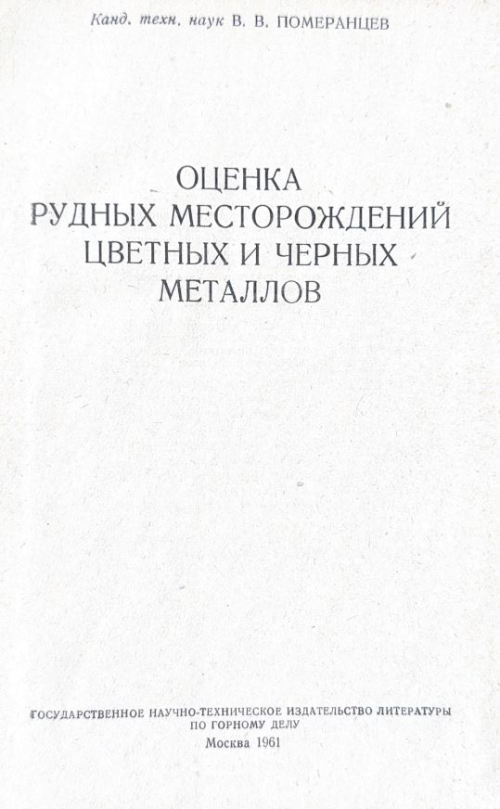
В книге изложены основные вопросы содержания и методики предварительных оценок рудных месторождений цветных, редких и черных металлов. На основе опыта проектирования горнорудных предприятий металлургической (промышленности выведены эмпирические формулы и построены графики, облегчающие расчеты элементов оценок.
Книга рассчитана на геологов, горных инженеров, экономистов, работников проектных и научных институтов, занимающихся предпроектными оценками месторождений.
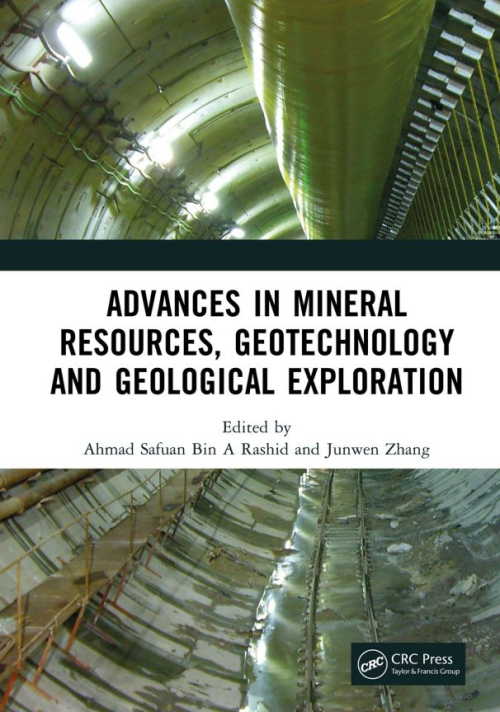
Mineral resources exploration and mining restoration technology Semi-industrial test research on beneficiation of a lead-zinc ore with high oxidation rate in southern Shaanxi J. J. Wu, Q. Nie, H.X. Dai, P. Lu, L. Ma & WH. Li Application progress of reversed-phase emulsion polymerization system in oil and gas field development K. Xu, Y. Shi, J Chang & Y Li Review of simultaneous hydraulic fracturing technology and field application X. Wu, L.Y. Mu, K. Ning, Y. Qiao, G.H. Yuan, L.T Shang & S.L. Zhang Practical research on the application of inflow-control technology in desert oilfield D.X. Duan, F. Qian, N. Jing, X.Y. Wang, C. Zhou, Q.Y. Gao, K. Ning &X. Wu Research on the optimization of the re-open sequence of oil producers in the process of oilfield production resuming H.Y. Lyu, M.FLiu & R. Wang
The Most Important Notations and Abbreviations Introduction to Some Fundamental Statistical Concepts General Definitions Frequency Distribution Mineral Deposit Statistics Treatment of the Data Set A Simple Case of Calculating a Frequency Distribution Using Class Intervals for Calculating Frequency Distributions Frequency Distribution of Samples with Dissimilar Specifications Mean, Variance and Standard Deviation The Mean
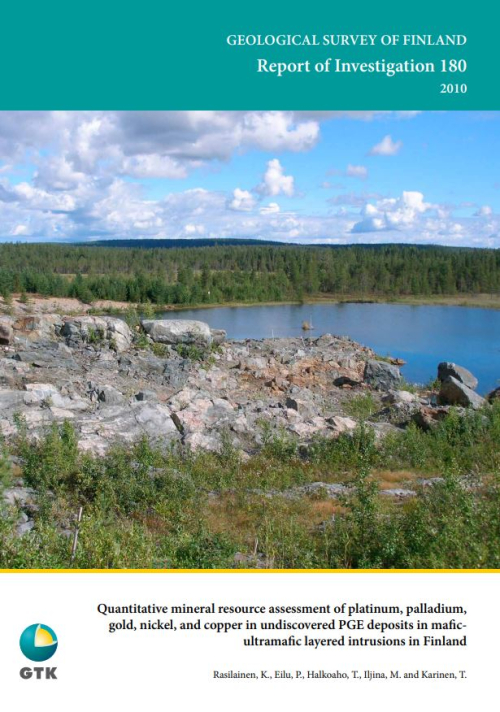
Количественная оценка минеральных ресурсов платины, палладия, золота, никеля и меди в неоткрытых месторождениях PGE в основных и ультраосновных расслоенных интрузиях в Финляндии
Most of the known platinum group element (PGE) resources in Finland are in contact- and reef-type deposits in 2.45 Ga mafic-ultramafic layered intrusions. These intrusions also have the potential to contain the majority of possibly existing, yet undiscovered, PGE resources in Finland. The undiscovered Pt, Pd, Au, Ni, and Cu resources in contact- and reef-type deposits were estimated down to one kilometre depth using the three-part quantitative assessment method.
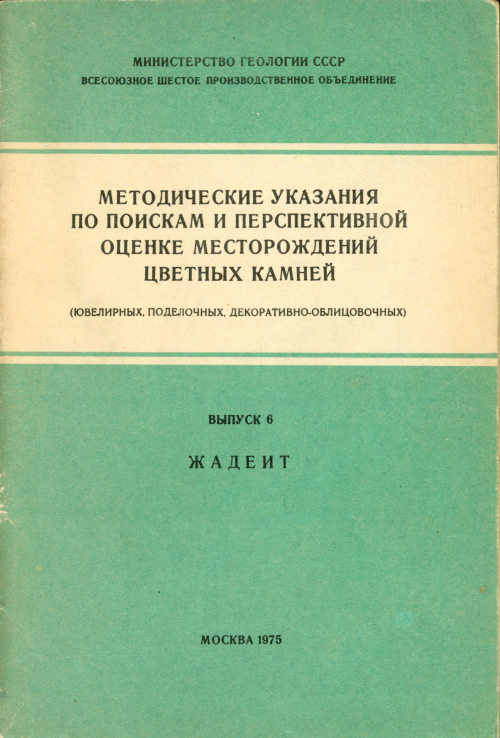
В соответствии с решение)! коллегии Министерстве геологии CCJP от 23 ноября 1972 года (приказ Министра геологии СССР от 8 декабря 1972 года № 579) министерства и управления геологии союзных республик и организации союзного подчинения осуществляют, начиная с 1973 года, попутные поиски месторождений камнесамоцветного сырья.
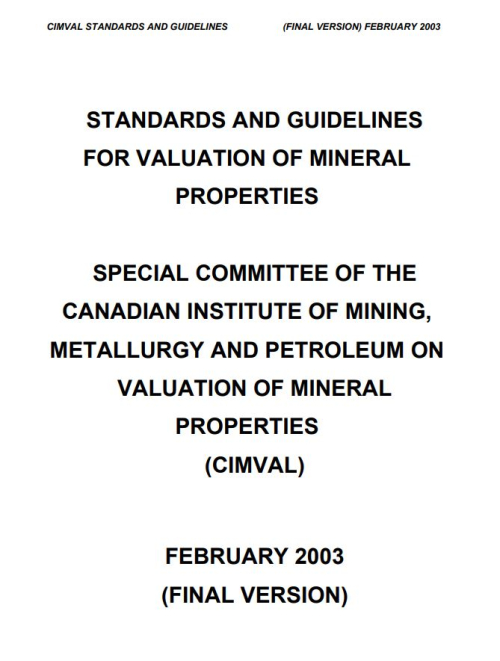
Стандарты и рекомендации по оценке свойств полезных ископаемых. Специальный комитет Канадского института горного дела, металлургии и нефти по оценке свойств полезных ископаемых
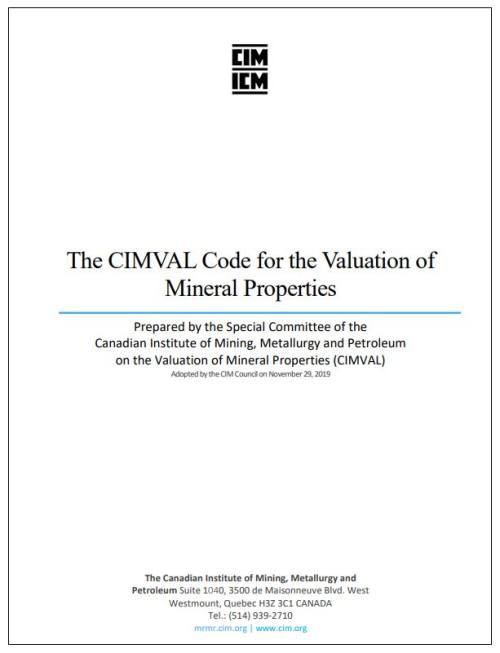
This Code for the Valuation of Mineral Properties (the “CIMVAL Code”) is the result of a review more than a decade after the release in 2003 of the “Standards and Guidelines for Valuation of Mineral Properties” (the "2003 Standards"). The purpose of the review is to update the 2003 Standards to reflect domestic valuation, international valuation, and regulatory developments. The CIMVAL Code was adopted by the Canadian Institute of Mining, Metallurgy & Petroleum (the "CIM") Council on November 29, 2019. The CIMVAL Code supersedes the 2003 Standards. <...>
Коллегия Министерства геологии СССР решением от 23 ноября 1972 г. (приказ Министра геологии СССР от 8 декабря 1972 г., № 579) в целях расширения минерально-сырьевой базы ювелирной и камнерезной промышленности обязала министерства и управления геологии союзных республик осуществлять, начиная о 1973 года, попутные поиски месторождений ювелирных (драгоценных и полудрагоценных), поделочных и декоративно-облицовочных камней при проведении геологической съемки и геологоразведочных работ на другие полезные ископаемые.