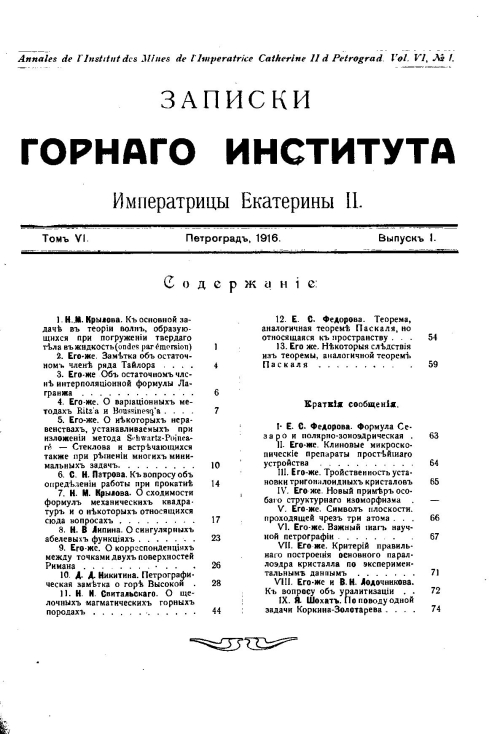
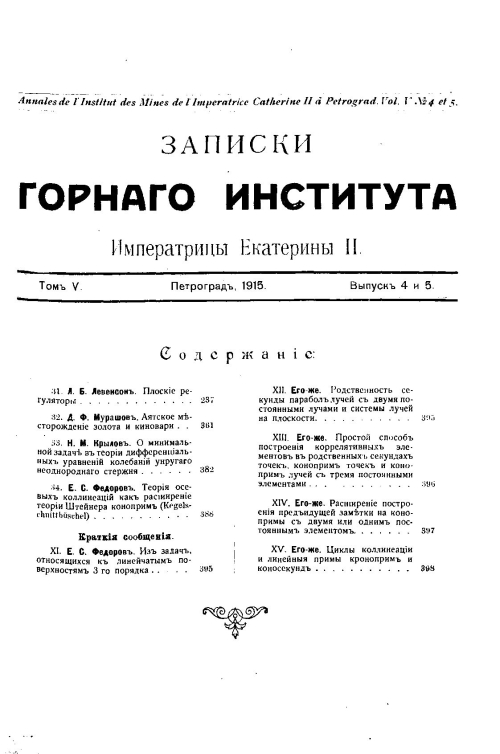
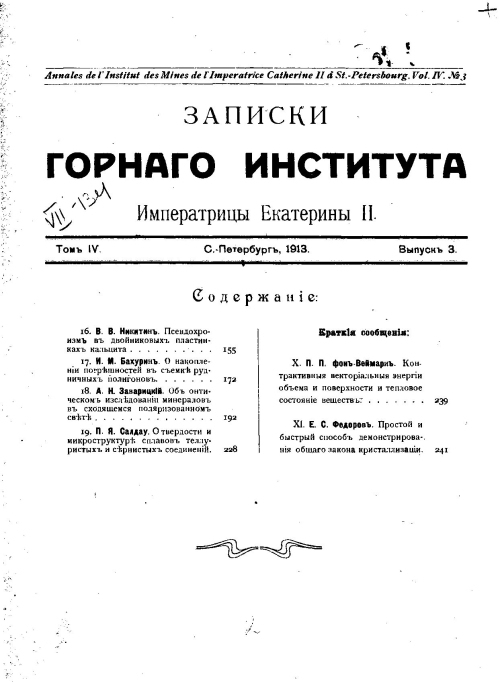
Добрый день, Коллеги. Важное сообщение, просьба принять участие. Музей Ферсмана ищет помощь для реставрационных работ в помещении. Подробности по ссылке
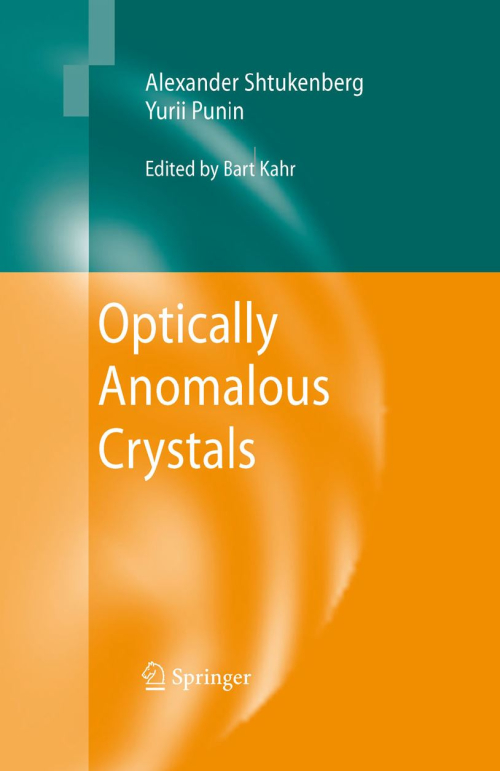
The most striking features of crystals are their symmetric, polyhedral forms. Federov said that crystals “flash-forth their symmetry” (Shubnikov and Kopstik, 1974), a strong allusion to the sharp, highly reflecting surfaces of well-formed crystals prized by enthusiasts. We learned from Häuy that the shapes of crystals reflect the arrangements of the particles from which they are constructed. Today, these arrangements are routinely deduced from x-ray diffraction patterns. In the 19th Century, prior to the discovery of x-rays, the perturbations to the state of visible light traversing a crystal were used to assay symmetry.
Ideally, the symmetry of a crystal that an investigator would deduce from shape, from the transmission of visible light, from the scattering of x-rays, or from any other method, should be the same. However, as early as 1818, David Brewster in Edinburgh first noticed that some crystals appeared to have lower optical symmetries than morphological symmetries (Brewster, 1818b). <...>
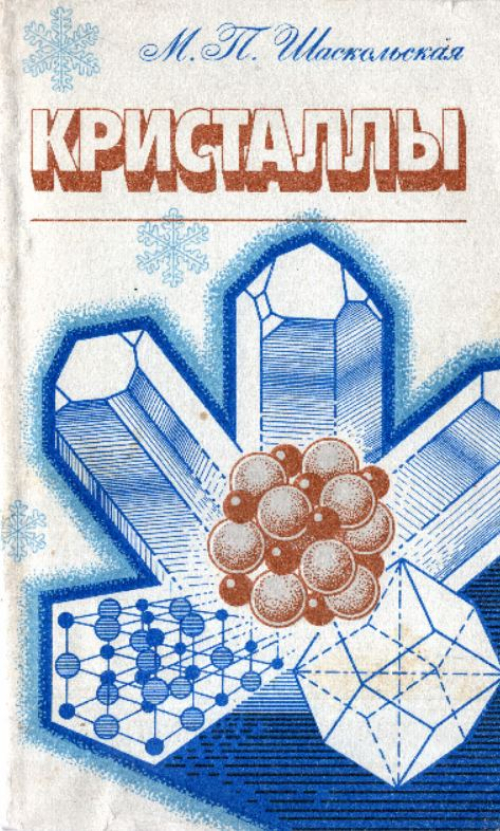
В книге в простой и занимательной форме рассказывается о росте кристаллов в природе (под землей, в глубинах морей, в пещерах, в минеральных месторождениях, в облаках) и о выращивании кристаллов в лабораториях и на заводах. Рассказывается о том, как создавались кристаллы, не существовавшие в приррде, как человек применяет кристаллы в различных областях техники. Книга иллюстрирована оригинальными рисунками и примерами из художественной литературы. Для учащихся общеобразовательной и профессиональной школы; много пользы для себя могут извлечь из нее студенты и преподаватели вузов, а также специалисты.