

Добрый день, Коллеги. Важное сообщение, просьба принять участие. Музей Ферсмана ищет помощь для реставрационных работ в помещении. Подробности по ссылке
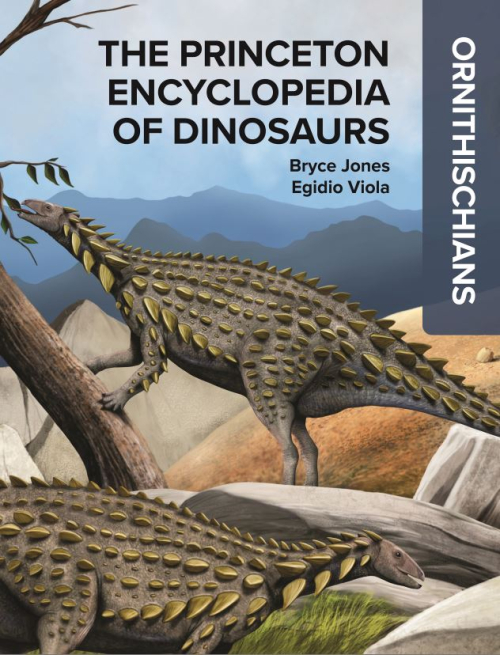
I have been a lifelong dinosaur enthusiast. At the age of four, I created what my mother has dubbed my “first research paper”: a stack of illustrations of every different species I could find throughout the pages of my many dinosaur books. I’ve collected dinosaur books throughout my life, and recently I embarked on a search for a very specific sort of tome: a truly comprehensive, informative, encyclopedic collection of all known dinosaurs. Needless to say, a wide variety of dinosaur-themed texts have been available throughout the years, but try as I might, I couldn’t locate any volume that really fit the bill. I was able to locate a few texts that were incredible but didn’t quite tackle the topic in the way I was looking for. Primarily, though, I found a great number of texts that were … well … subpar.
So I decided to make my own book, one that would provide the kind of information I’d be interested in learning. I wanted to know what made each species unique and noteworthy. I wanted to know how, exactly, dinosaur species were related. And I especially wanted to know how many fossils of each dinosaur had been uncovered.
Answering these questions meant perusing a great number of peer-reviewed scientific research papers … as well as, admittedly, many Wikipedia articles. Wikipedia is an amazing resource for finding which related professional papers exist out there, and for getting a good sense of which topics are worth investigating. However, both Wikipedia and published research papers present the same snag when it comes to answering my first question: What makes each species unique and noteworthy? <...>