
Добрый день, Коллеги. Важное сообщение, просьба принять участие. Музей Ферсмана ищет помощь для реставрационных работ в помещении. Подробности по ссылке
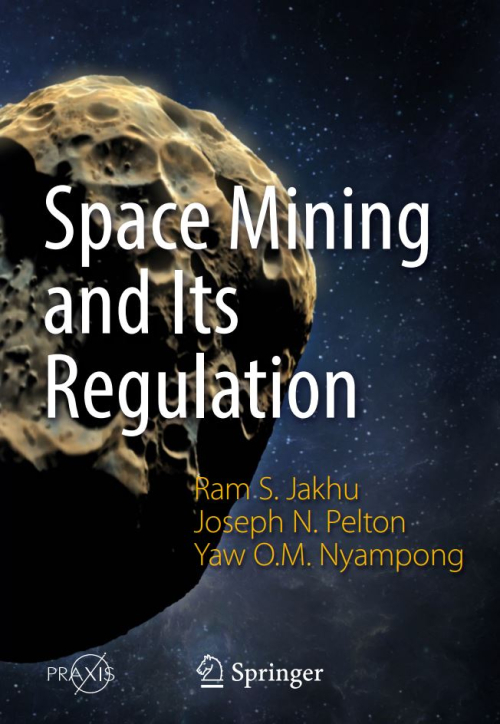
This book explores the exciting potential of mining space to obtain needed natural resources. It also examines the international and national legal and regulatory processes that would apply to this new and exotic endeavor. For almost 50 years—from virtually the start of the Space Age in October 1957—there have been practical applications of space technology. Today we have many programs that explore space via astronautic and robotic missions, and scientifi c probes to understand the chemistry, physics and workings of the universe, but from a practical perspective we also have application satellites. It is the application satellites that constitute our various tools and mechanical servants in the skies. In fact, the very name given by Galileo to the satellites he discovered circling Jupiter was satelles , the ancient Latin word for “servant.” He chose this because he envisioned these satellites doing the bidding of the giant planet Jupiter. 1 Today the practical uses of satellites have grown and grown. First there were telecommunications satellites (which now include broadcasting satellites, mobile communications satellites, search and rescue and data relay satellites, and so on). Shortly after the fi rst communications satellites were deployed, there were also remotesensing satellites, weather satellites, and navigation and timing satellites. We may soon have robotic repair and refueling satellites, solar power satellites, as well as increasingly sophisticated satellites for various types of defense and security operations <...>