

Добрый день, Коллеги. Важное сообщение, просьба принять участие. Музей Ферсмана ищет помощь для реставрационных работ в помещении. Подробности по ссылке
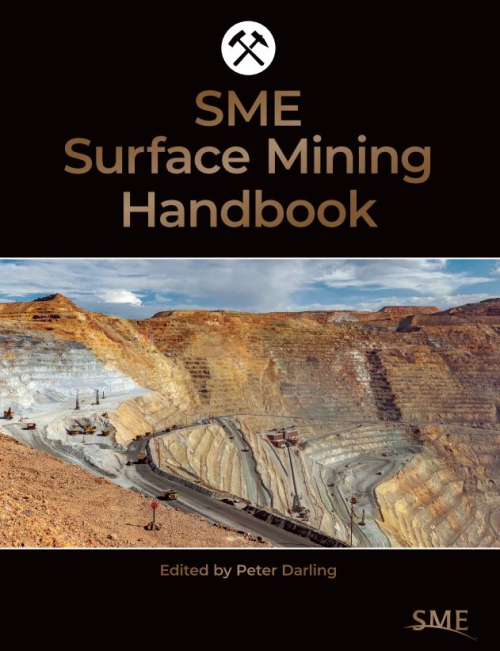
The mining industry is in a state of flux, and while some may say this has been the norm for many centuries, even the most cursory examination will reveal that the storm waves are real and the need for change within some areas is long overdue. Indeed, the industry is currently facing some serious challenges, including regulatory interference, social isolation, and/or untenable commercial purgatory. However, it warrants recognition that the current waves of opposition ultimately may be only temporary. The industry—and indeed humanity in general—has always adapted to and overcome the challenges of a particular moment, whether measured in the evolution from pig iron to mini-mills or handcarts to electrically driven autonomous haulage.
The surface mining industry is being increasingly impacted by numerous external influences and challenges. Engineers and scientists are making positive transitions, including GPS positioning for excavators, shovels, buckets, and blades; mobile equipment proximity sensors; research into remote (at the bench) sensing of assays; and remote, autonomous, and battery-powered equipment across the whole mining fleet. However, there are a plethora of other issues accelerating the rate of change in the industry:
• Increased pressure from two significant umbrella issues (i.e., environmental and social sustainability)
• Decreasing ore grades
• Reduced numbers of engineers and operators entering the mining industry
• The need to dovetail completely new technologies into extraction methodologies
• The need to satisfy the recent and increasingly widespread dependence on electronic devices (and thus the need for huge amounts of rare earth metals and materials)
• Strategies for adjustment to the commercial scenario where certain key minerals and metals are being used as strategic weapons
Furthermore, the mining industry, along with many others, is facing up to the challenges of the ubiquitous requirement to reduce its contribution to climate change (and in the meantime to accommodate its impacts), as well as the need to prevent tailings dams (both legacy and current) from blighting the industry’s good works. These and numerous other issues are propelling the industry toward more innovative directions. At the same time, it must be acknowledged that some of these issues and pressures are neither new nor as dire as one might at first imagine. The tunnel boring industry has now established that civil tunneling cuttings can be processed into components for liner cement or concrete, thus reducing significant waste handling and procurement costs. Ongoing research and piloting trials using tailings for soil amendments or filler to be augmented by organic wastes (including returning waste dumps to livestock grazing conditions) hold significant promise <...>