Добрый день, Коллеги. Важное сообщение, просьба принять участие. Музей Ферсмана ищет помощь для реставрационных работ в помещении. Подробности по ссылке
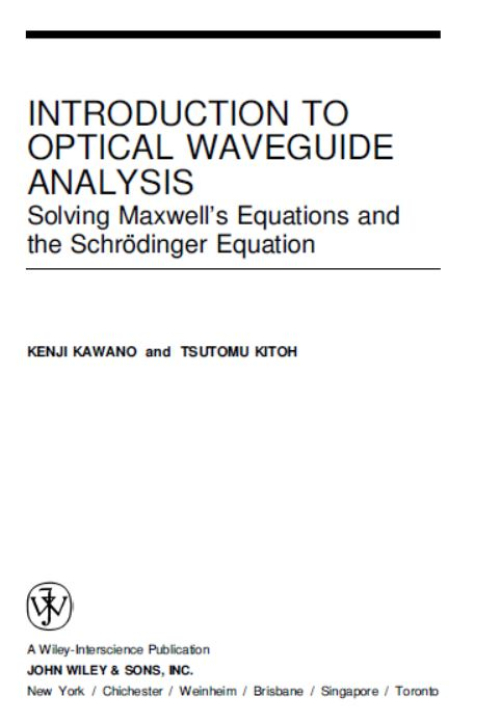
This book was originally published in Japanese in October 1998 with the intention of providing a straightforward presentation of the sophisticated techniques used in optical waveguide analyses. Apparently, we were successful because the Japanese version has been well accepted by students in undergraduate, postgraduate, and Ph.D. courses as well as by researchers at universities and colleges and by researchers and engineers in the private sector of the optoelectronics field. Since we did not want to change the fundamental presentation of the original, this English version is, except for the newly added optical fiber analyses and problems, essentially a direct translation of the Japanese version. <...>
Книга посвящена новому применению акустических методов в геофизике — звуковой геолокации акваторий. На основании сравнения распространения плоской и сферической акустических волн определена область, в которой с достаточной для практики точностью излучаемые точечным источником колебания могут рассматриваться как плоские волны.
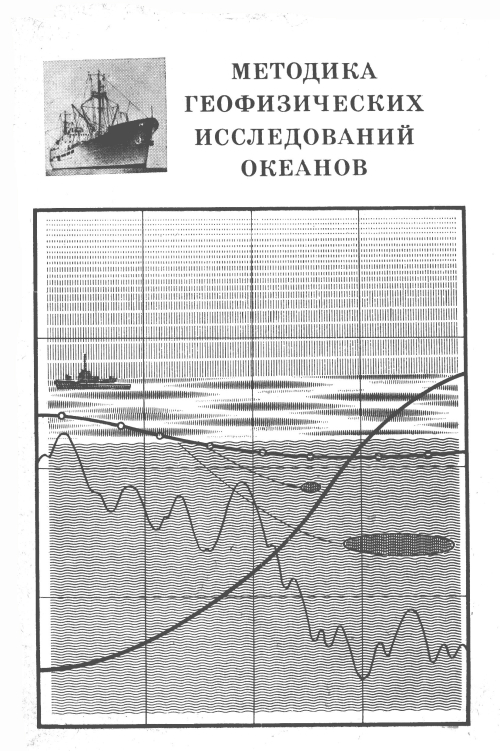
В сборнике приведены доклады, заслушанные на Всесоюзном семинаре по методике геофизических исследований океанов в марте 1970 г. Рассматриваются современное состояние и перспективы развития в СССР основных геофизических методов исследования осадочной толщи, земной коры и верхней мантии морей и океанов: сейсмического, гравиметрического, магнитного, геотермического. Для каждого метода анализируются существующие возможности и описываются новые аппаратурнометодические разработки. На конкретных примерах исследований разных районов показаны пути развития методов, позволяющие увеличивать их глубинность, изучать сложные зоны, детали строения и тонкую структуру среды, определять физические параметры слоев. Сборник представляет интерес для широкого круга геологов и геофизиков, занимающихся изучением морей и океанов.
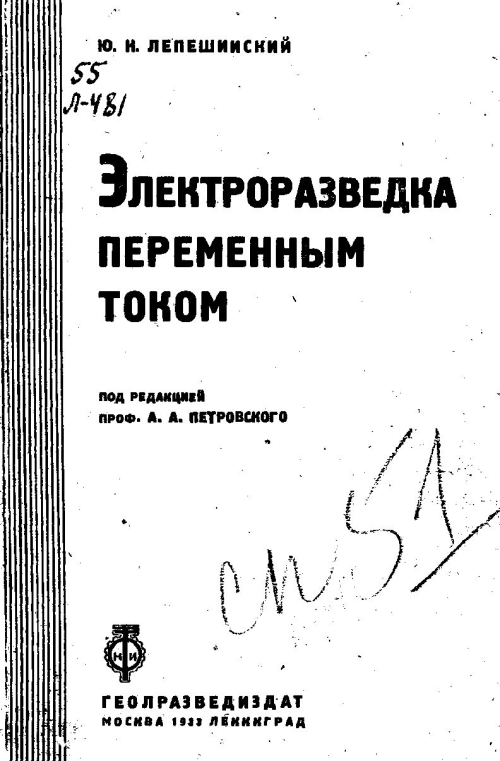
При составлении курса «Электроразведка переменным током» перед автором стояла задача систематически изложить приемы наблюдений, обработки и интерпретации полевых промеров. Задача оказалась нелегкой, так как электроразведка—дело еще совсем новое, много в ней неясного, теоретически неразработанного и не подкрепленного объективным фактическим материалом. Так как ни в нашей, ни в заграничной литературе аналогичных работ, излагающих с достаточной полнотой отдельные операции и применяемую аппаратуру, не имеется, то автор едва ли бы мог справиться со взятой на себя обязанностью, если бы не пользовался многочисленными и весьма ценными указаниями проф. В.К. Фредерикса и В.Р. Бурсиана. Считаю своим долгом принести им за это свою искреннейшую благодарность.
The year 2020 marks the 100-year anniversary of Conrad Schlumberger’s publication on electrical methods, a document that serves as the foundation of modern-day resistivity and induced polarization methods. These methods are now two of the most widely used geophysical techniques for probing the near-surface (upper few hundred metres of the Earth’s crust). Although originally developed for hydrocarbon and mineral exploration, their popularity in near-surface applications grew rapidly from the widespread recognition that subsurface electrical properties are often well correlated to physical and chemical properties of fluids within the pore space (e.g. saturation, salinity) and lithological characteristics (e.g. porosity, clay content) needed to understand a wide range of near-surface properties and processes.
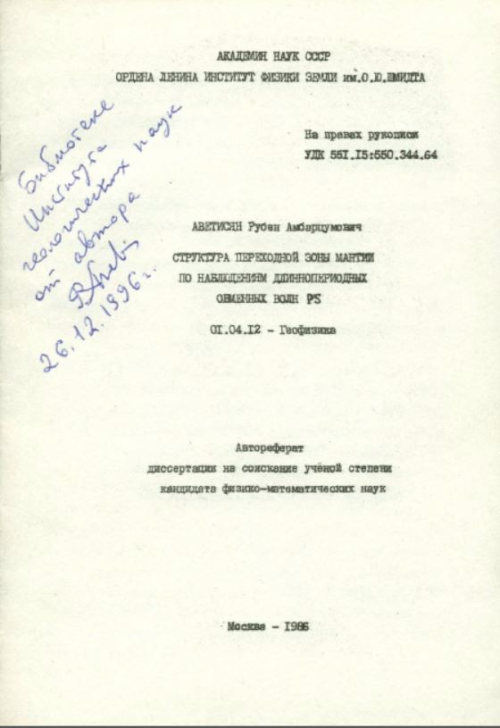
Актуальность исследования определяется необходимостью расшифровки структуры переходной зоны мантии (на глубинах 400-900 км) для понимания состава, эволюции и динамики мантии в целом. Последние годы отмечены очень быстрым развитием техники физического эксперимента при давлениях порядка сотен килобар и температурах до 2000°С. Эти успехи позволяют воспроизводить и измерять в лаборатории параметры пород, находящихся на глубинах порядка сотен километров от поверхности Земли.
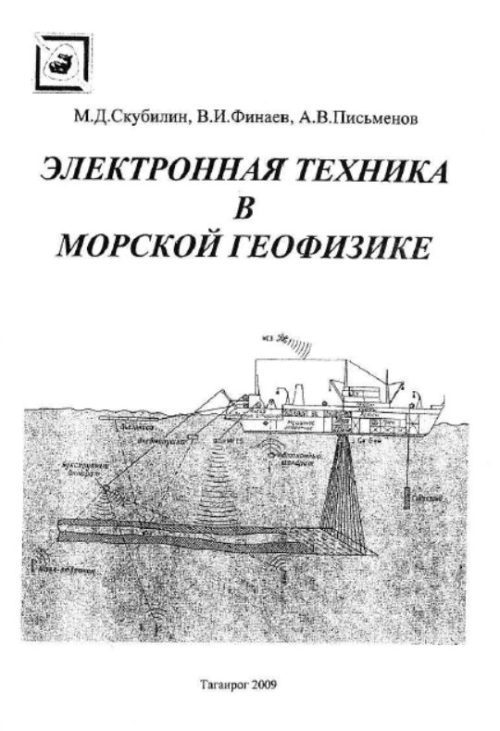
Рассмотрены методы и электронные средства сбора и обработки информации на акваториях, а также изделия электронной техники, применяемые для сбора и обработки информации о структурном и рудном строении акваторий Мирового океана. Приводятся сведения по обеспечению работоспособности морских геофизических комплексов и достигнутой эффективности. Работа предназначена для студентов, аспирантов и инженерно-технических работников, специализирующихся по методам и средствам морской геофизики.
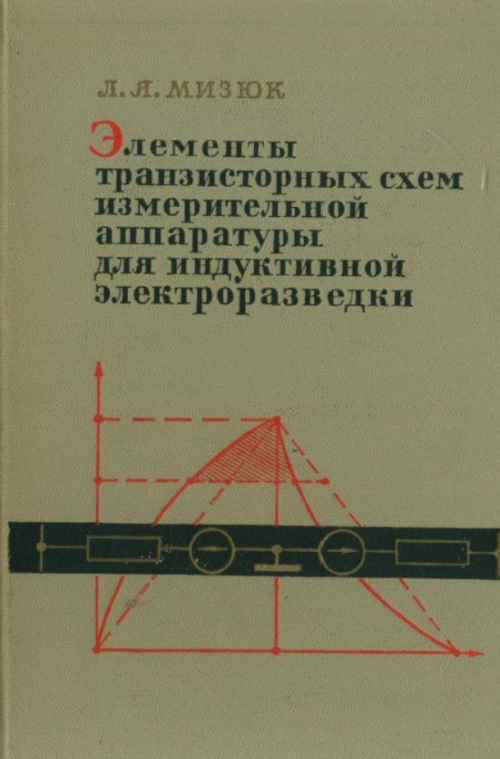
В книге дан анализ элементов схем низкочастотной измерительной аппаратуры. Исследованы индукционные магни-топриемники со стержневыми ферромагнитными сердечниками, применяемые в качестве входных преобразователей при измерении напряженности низкочастотных магнитных полей. Рассмотрены устройства промежуточной обработки сигнала — входные каскады, апериодические и избирательные усилители, ключи и коммутаторы, устройства формирования квадратурных напряжений и др. Проанализированы выходные преобразователи — амплитудные, дифференциальные, компонентные, фазовые, импульсные. Дана оценка погрешностей, вносимых узлами транзисторной аппаратуры. Рассчитана на геофизиков, специалистов електро- и ра-диоизмерительной техники, а также на преподавателей и студентов вузов соответствующих специальностей.
Экспериментальные методы исследования астрофизических и геофизических явлений (предисловие). Анализ годичных колец древесины для исследования астрофизических и геофизических процессов Некоторые методические вопросы дендрохронологии Некоторые вопросы химической подготовки древесных колец для радиоуглеродных исследовании астрофизических , образцов
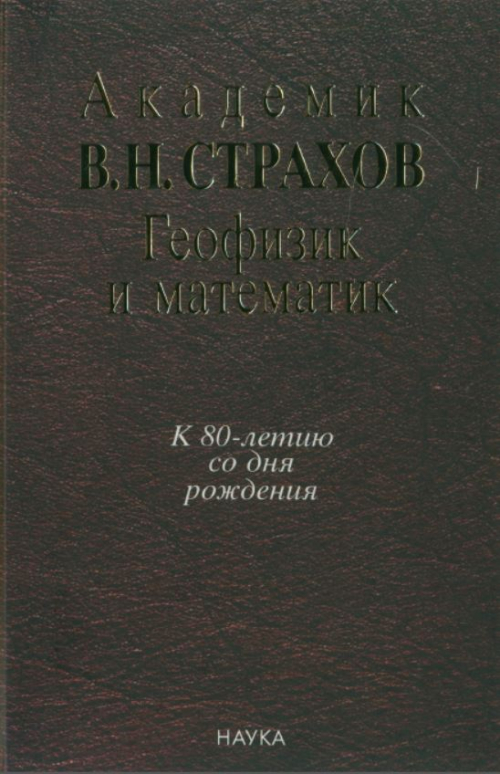
В.Н. Страхов всегда подчеркивал важность использования существующего и, что особенно важно, разработки нового математического аппарата при решении всего комплекса задач геологической интерпретации геопотенциальных полей, создании геоинформационных систем, исследованиях в области практического применения геофизических методов. Трудно назвать ту область геофизики и смежных с ней наук, в которой не нашли бы применения предложенные им идеи и методы. Авторы сборника попытались изложить основные результаты, полученные в ходе реализации методов, созданных В.Н. Страховым. Для специалистов в области геофизики, а также аспирантов и студентов технических вузов.