Добрый день, Коллеги. Важное сообщение, просьба принять участие. Музей Ферсмана ищет помощь для реставрационных работ в помещении. Подробности по ссылке
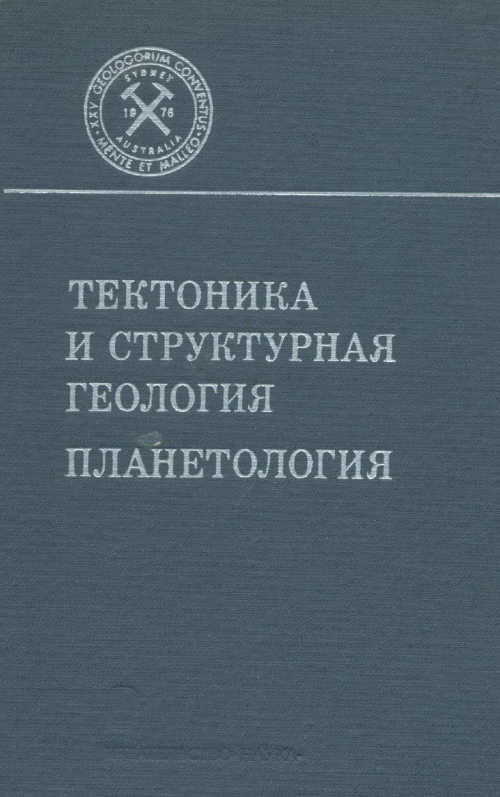
Деструктивный тектогенез и его глобальное проявление Роль рифтогенеза и его эволюция в истории Земли Новая модель строения Срединно-Атлантического хребта Структурное положение нефтегазоносных районов в Тихоокеанском поясе Тектонические типы плитных чехлов Эндогенные режимы материков и ритм в развитии тектоносферыСтруктуры, преобразующие земную кору континентов в мезозое и кайнозое
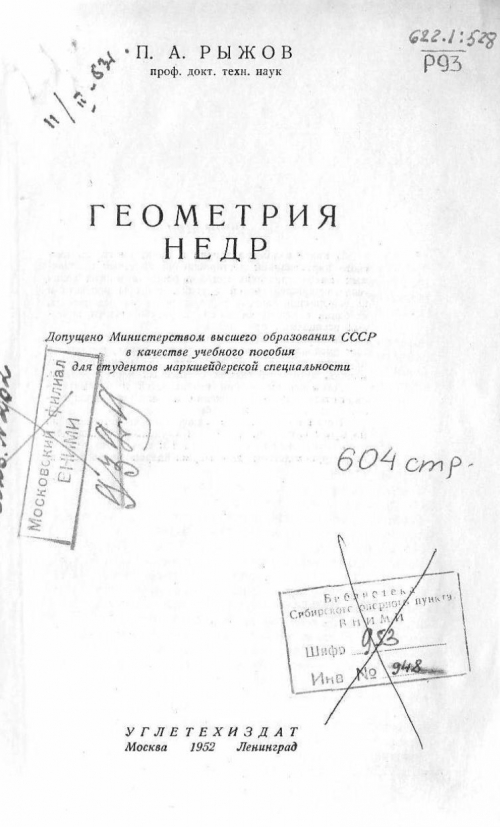
Изложена теория и практика геометрического картирования месторождений полезных ископаемых и геометрических методов решения многих задач геолого-маркшейдерской службы, способы подсчета и классификация запасов твердых полезных ископаемых, методика определения потерь и разубоживания полезных ископаемых при добыче. Рассмотрены вопросы пликативных и дизъюнктивных дислокаций в залегании горных пород, методы их изучения, съемки и изображения на маркшейдерских планах, методы отыскания смещенных частей залежи. Даны основы теории вероятностей и математической статистики в приложении к решению задач геолого-маркшейдерской службы. Книга предназначена в качестве учебного пособия по курсу геометрии недр для студентов маркшейдерской специальности горных вузов и может также служить руководством для маркшейдеров-производственников.
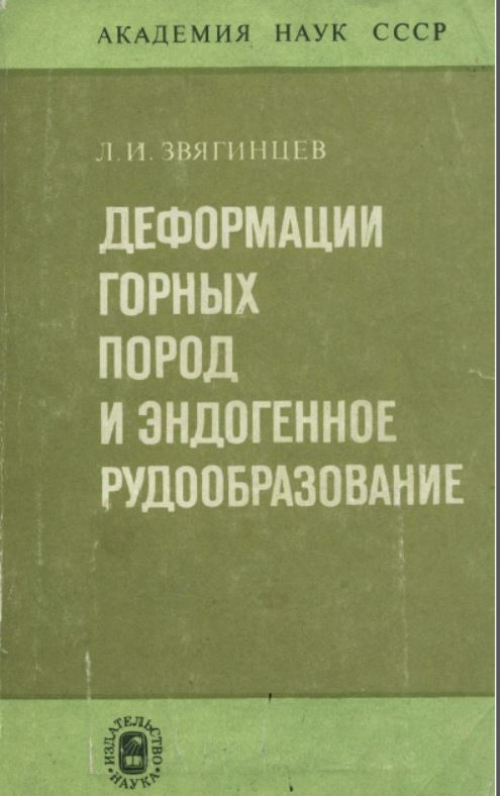
В работе изложена методика структурно-петрофизического анализа, базирующаяся на определении и сравнении абсолютных значений и анизотропии физико-механических свойств пород и руд в комплексе с детальным геологическим картированием, микроструктурными и тектонофизическими исследованиями. Применение данной методики при изучении колчеданных рудных полей Рудного Алтая и Южного Урала позволило выделить среди них два основных геодинамических типа, формировавшихся в областях растяжения и сжатия, а также установить палеотектонические поля напряжений и петрофизические типы пород, благоприятные для образования вулканогенно-осадочных и эпигенетических гидротермальных рудных залежей.
Рассмотрены вопросы связи элементов блоковой тектоники и оруденения, методы их изучения, даны характеристика и перечень элементов блоковой тектоники. Обоснован новый тип тектонических форм на примере блоковых структур. Определено местоположение глубинных структурных элементов, приведена их систематика И выявлена связь с геологическим строением и современным рельефом на основе его геофизических, морфометрических и других методов. Изучена связь проявлений оруденения с элементами блоковой тектоники. Для геологов научных и производственных организаций, занимающихся изучением месторождений полезных ископаемых.
В монографии обсуждается природа упругой анизотропии скоростей распространения продольных волн в атмосферных условиях и ее изменение под одноосным и всесторонним давлением. Рассматриваются примеры приложения метода исследований упругих свойств к анализу структур и восстановлению условий формирования интрузивных тел. Особое внимание уделено вопросу зарождения и развития трещинных структур при неравномерном сжатии и залечивании их под воздействием температуры. На основании экспериментальных исследований по деформации кристаллических пород и изучению физических свойств по-разному деформированных грани-тоидов в рудных районах приводятся данные, показывающие, что движение гидротермальных растворов является следствием деформационных преобразований.
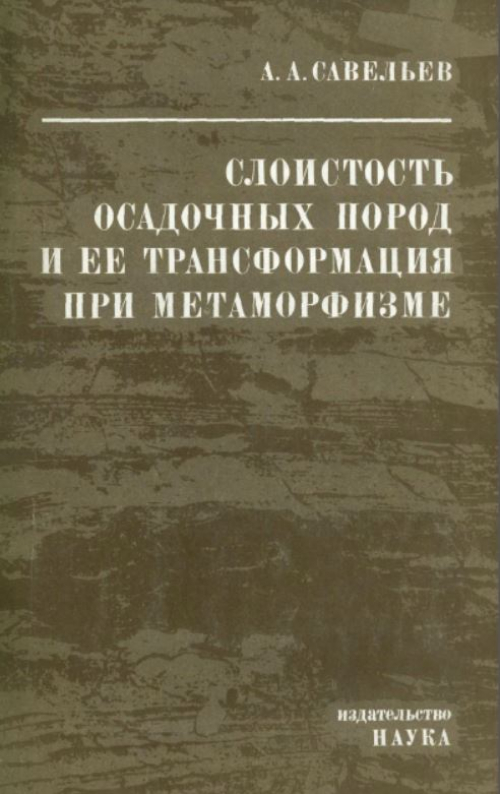
В работе рассматриваются закономерности возникновения слоистых текстур в осадках и их трансформация при процессах метаморфизации. Анализируются пределы применения методов исследования осадочно-метаморфических пород из разных зон - от зеленосланцевой до амфиболитовой. Количество этих методов и их информативность уменьшаются по мере увеличения степени метаморфизма пород. Обосновывается выделение формаций в древних метаморфических комплексах и их сопоставление с формациями фанерозоя. Обсуждаются проблемы комплексного изучения древних толщ, приводится пример сравнительного формационного анализа.
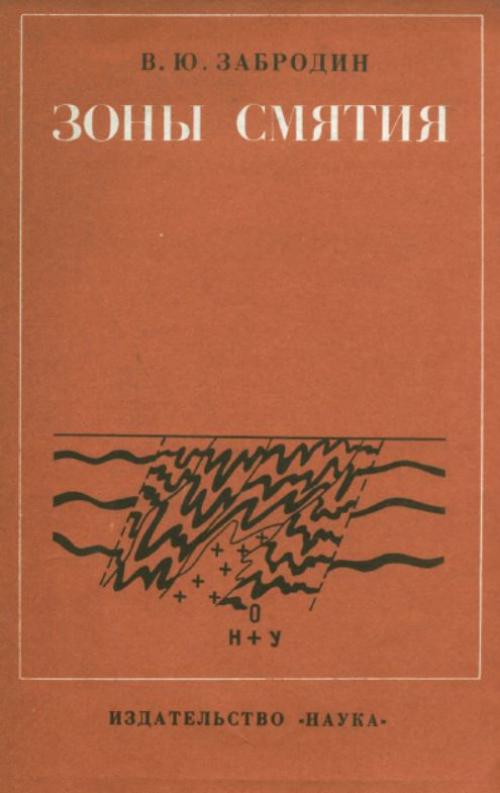
На основе анализа многочисленных объектов разработано понятие "она смятия" и дана классификация подобных зон с подразделением на "морфологическую" и "генетическую". Зоны смятия рассматриваются как структурный элемент глубинных разломов складчатых областей, поэтому книга интересна для геологов, занимающихся тектоникой, геофизикой и металлогенией.
На основе изучения морфологии, геологин, геометрии и ориентировки складчатых форм и структурных элементов в книге излагается методика исследования наложенных деформаций. В первом разделе рассматриваются структурные элементы метаморфических горных пород и их значение при изучении наложенной складчатости (первично-осадочные текстуры, полосчатость, сланцеватость, складки, линейность). Второй раздел посвящен геометрическому анализу. Сформулированы задачи, решаемые с помощью геометрического анализа, дано их решение. Рассмотрена стереогеометрия цилиндрических и конических складок, геометрический анализ структурных данных на площади и др. В третьем разделе излагаются особенности наложенных складчатых структур. Рассматриваются признаки наложенных деформаций, методические приемы установления последовательности деформаций, возрастные взаимоотношения складок между собой, складок и сланцеватости, линейности, даек, жил, метаморфогенного минералообразования и ультраметаморфизма
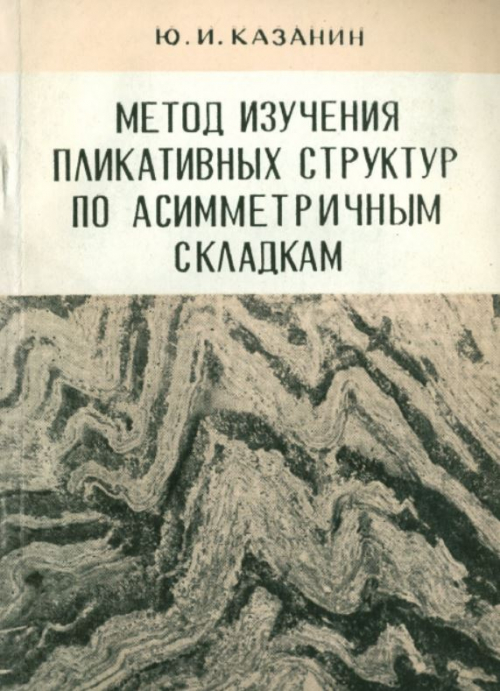
В книге рассматривается метод изучения стратиграфической последовательности пород и пликативных структур по рисункам и ориентировке конгруэнтных асимметричных складок разного порядка. В ней освещается история развития представлений о структурном картировании по складкам волочения, начиная с правила Дейла—Пампелли до введения понятия о морфологических рисунках складок. Высказываются новые положения о соотношениях крупных и осложняющих их дополнительных складок, формулируется ряд правил для определения по асимметричным складкам опрокинутого и нормального залегания пластов, для правильного отображения складок на разрезах и т. д. Эффективность применения метода иллюстрируется конкретными примерами по Джунгарскому Алатау, горам Кендыктас, рудному полю Колар. Книга рассчитана на геологов, изучающих стратиграфию и структуры складчатых зон, рудных полей и месторождений.
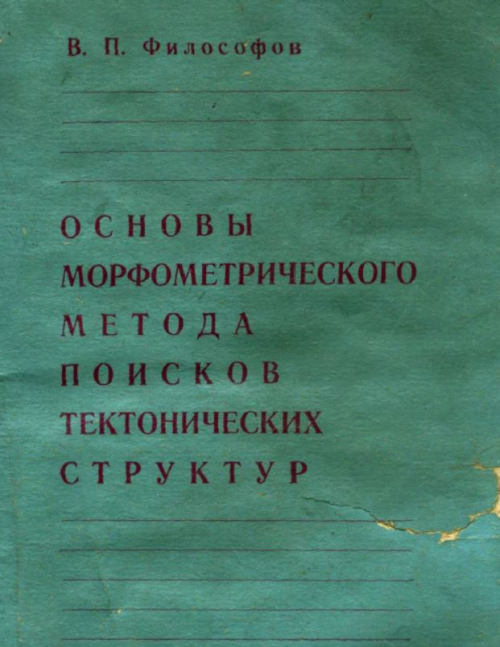
В работе дано определение предмета структурной морфометрии, краткая история ее развития и теоретическая основа метода. Изложена методика построения и интерпретации морфометрических карт. Большое внимание уделено описанию основных результатов применения морфометрии при поисках полезных ископаемых, особенно нефти и газа, а также подземных вод, россыпей и рудных месторождений. Описан морфометрический метод выявления новейших и современных движений земной коры. В конце книги приведены подробные выводы, обобщающие теоретические положения автора.