Добрый день, Коллеги. Важное сообщение, просьба принять участие. Музей Ферсмана ищет помощь для реставрационных работ в помещении. Подробности по ссылке
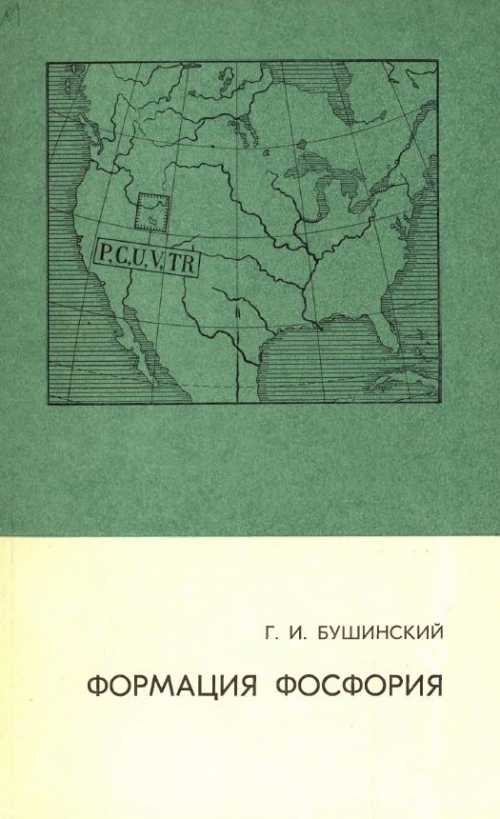
Формация Фосфория в США является одной из крупнейших формаций мира. В ней заключены промышленные месторождения пластовых фосфоритов, урана, ванадия, редких земель и нефти. Благодаря ее хорошей обнаженности и детальной изученности она представляет исключительный интерес для научных обобщений и для выяснения условий образования указанных полезных ископаемых. В предлагаемой книге сведены данные по геологии, минералогии, геохимии, тектонике и условиям накопления формации Фосфория. Многие данные американских авторов обобщены и представлены в новом освещении. По-новому освещаются закономерности размещения и генезис месторождений фосфоритов и сопутствующих им элементов.
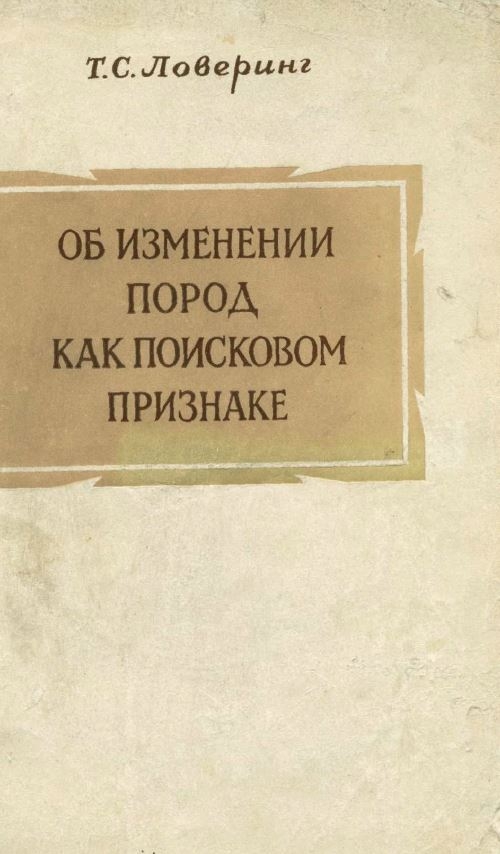
Монография Т. С. Ловеринга и его авторов посвящена важному вопросу об изменении боковых пород в процессе гидротермальной деятельности и значении этих изменений как поисковых признаков. Работа обобщает большое количество материалов по рудному округу Восточный Тинтик в штате Юта и представляет оригинальное петрохимическое исследование.
В условиях современной экономики рыночная капитализация отражает ожидания инвесторов, а потому является одним из основных показателей для сравнения нефтегазовых транснациональных корпораций (ТНК). Многие рейтинговые агентства используют капитализацию в качестве основной сопоставляемой величины, а руководство компаний напрямую заинтересовано в повышении рыночной оценки компании.
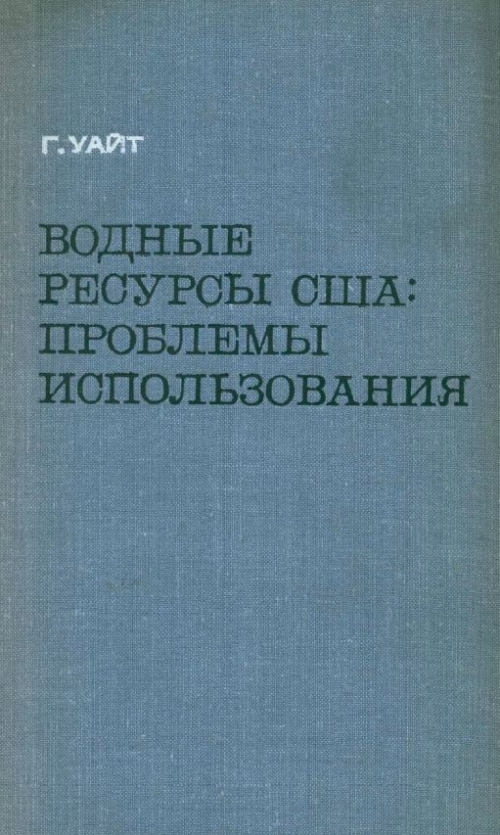
В книге обобщены результаты многолетних раздумий автора о путях развития политики в области управления водными ресурсами в США. Рассматриваются вопросы одноцелевого и многоцелевого планирования строительства гидротехнических сооружений, координации деятельности различных органов, которые участвуют в управлении и которые ответственны за принятые решения, касающиеся водных ресурсов, вопросы экономической оптимизации и роль общественного мнения.
Дается анализ научных исследований, способствующих пополнению водных ресурсов США: способы опреснения, искусственные воздействия на погоду, характер взаимодействия стока с растительным покровом. Особое внимапие уделено проблеме качества воды и влиянию загрязнений на окружающую среду.
Книга рассчитана на специалистом в области водного хозяйства, гидротехников, гидрологов, географов и экономистов
Настоящее двухтомное издание — сводка огромного фактического материала по наиболее интересным в промышленном и генетическом отношении рудным месторождениям США. Содержащийся в книге материал представляет исключительный интерес для познания полезных ископаемых вообще и рудных месторождении США в частности. Для удобства советского читателя изменен порядок изложения материала; описание дано не по районам, а по полезным ископаемым. В том I вошли описания месторождении свинца, цинка, меди; в том II , который выйдет в 1973 г – остальных металлов. Особый интерес для советского читателя представляет изложение современных комплексных методов исследовании рудных месторождений, применяемых американскими геологами.
Книга предназначена для геологов, занятых изучением и разведкой руд, а также для преподавателей геологических факультетов университетов и вузов
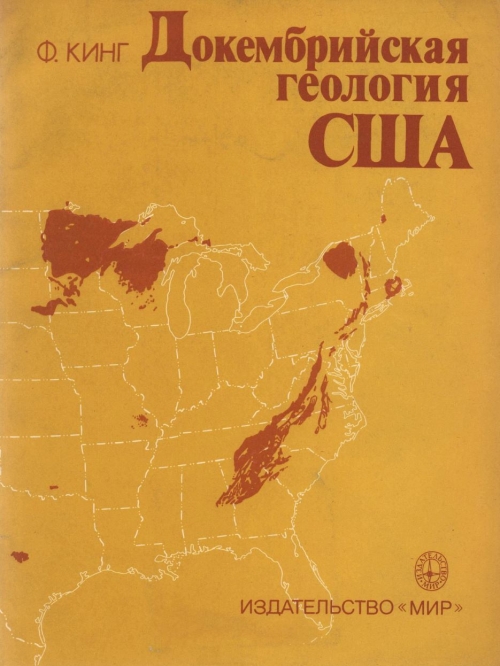
Краткий сводный очерк по геологии докембрия США. Рассматриваются региональное распространение докембрийских пород, их расчленение, корреляция, литологические особенности. Все это представляет ценный материал для сравнительной характеристики этих древнейших образований в различных районах мира. В заключение дан обзор истории геологического развития Северо-Американского материка в докембрии
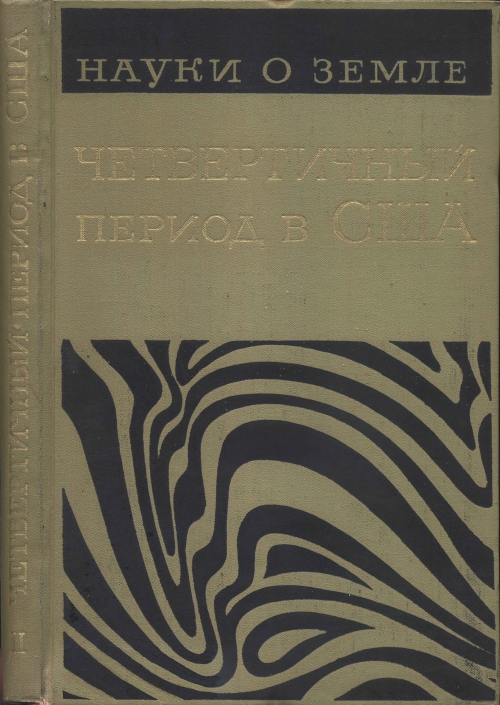
Книга «Четвертичный период в США» — первая в истории науки сводка, посвя щенная проблемам четвертичного периода на территории Соединенных Штатов Америки. В ней наиболее полно рассмотрено строение четвертичных отложений, их фауна, флора и археологические данные. Освещен также ряд общих научных проблем, например теория оледенения и климат, развитие органического мира под воздействием оледенения, природная обстановка и становление культуры доисторического человека и др. В ряде статей содержится характеристика четвертичной истории развития различных районов США; излагается также геофизическая методика изучения четвертичного периода, получившая особенно широкое применение в США.
Каждая статья, являющаяся сводкой новейших данных по конкретному вопросу, снабжена обширной библиографией. Книга будет иметь важнейшее значение для понимания многих геологических явлений четвертичного периода в масштабе всего земного шара, в частности для корреляции четвертичных отложений Евразии и Америки.
Книга принесет большую пользу как справочник и вызовет значительный интерес у широкого круга специалистов: геологов разных специальностей, геоморфологов, географов, палеоботаников, палеонтологов, археологов
Настоящее двухтомное издание — сводка огромного фактического материала по наиболее интересным в промышленном и генетическом отношении рудным месторождениям США. Содержащийся в книге материал представляет исключительный интерес для познания полезных ископаемых вообще и рудных месторождении США в частности. Для удобства советского читателя изменен порядок изложения материала; описание дано не по районам, а по полезным ископаемым. В том I вошли описания месторождении свинца, цинка, меди; в настоящий том II включены месторождения железа, титана, хрома, никеля, молибдена, вольфрама, олова, бериллия, ртути, урана, золота. Особый интерес для советского читателя представляет изложение современных комплексных методов исследовании рудных месторождений, применяемых американскими геологами.
Книга предназначена для геологов, занятых изучением и разведкой руд, а также для преподавателей геологических факультетов университетов и вузов
Во второй том «Четвертичного периода в США» включены переводы статей по фитогеографии и палинологии, статей, посвященных развитию бореальной бриофитной флоры под воздействием оледенения и появлению и распространению растений полипоидов в связи с изменением географической обстановки. Ряд статей по млекопитающим, птицам, рыбам, моллюскам и другим беспозвоночным отражает современное состояние знаний по плейстоценовой истории различных групп органического мира на территории США.
Самостоятельный раздел представляют статьи по археологии и палеогеографическим реконструкциям различных стратиграфических подразделений плейстоцена с широким использованием биостратиграфических методов.