Добрый день, Коллеги. Важное сообщение, просьба принять участие. Музей Ферсмана ищет помощь для реставрационных работ в помещении. Подробности по ссылке
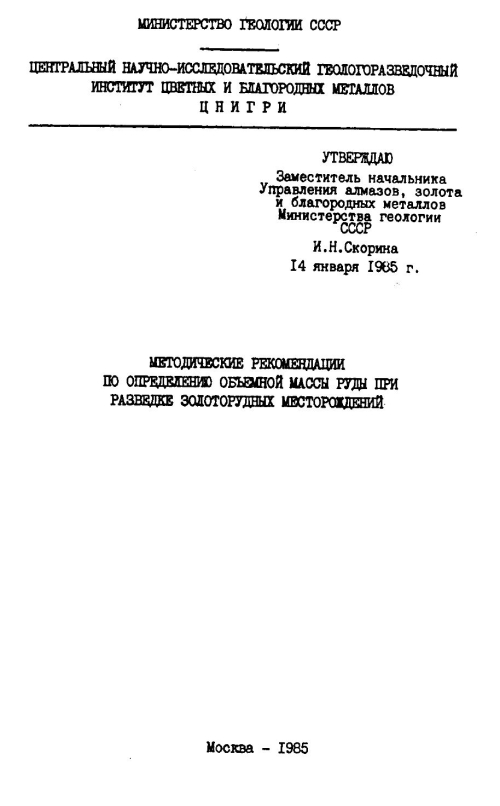
Разработаны методические рекомендации на основе обобщения опыта работ геологоразведочных организаций по определенно объемной массы руд и разъяснений ГКЗ СССР. Рассмотрены основные принципы и наиболее распространенные способы определения объемной массы руд в их естественном залегании, изложена методика измерения объема выемочного пространства при определении объемной массы валовым способом.
Рекомендации рассчитаны на инженерно-технических работников геологоразведочных организаций, ведущих разведку золоторудных месторождений.
It is with great pleasure that I present to you the 2013 Global Gold Mine & Deposit Ranking. This is now our third year of compiling the database which is comprised of 580 Mines and Deposits consisting of over 1 million ounces of in-situ resources in all categories. For more information on our methodology please read our previous reports from 2011 and 2012. <...>
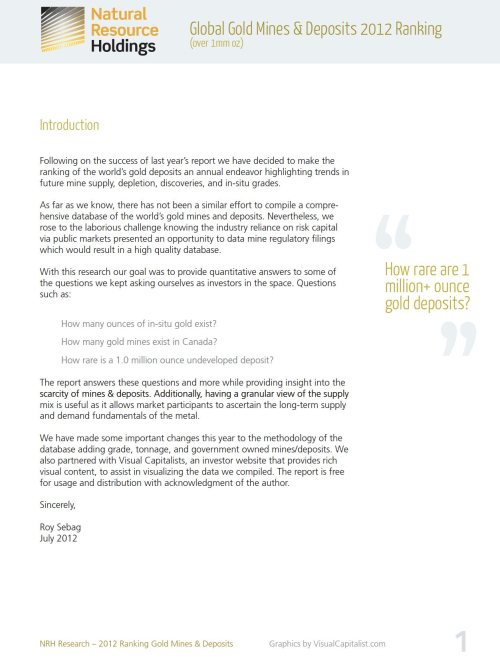
Following on the success of last year’s report we have decided to make the ranking of the world’s gold deposits an annual endeavor highlighting trends in future mine supply, depletion, discoveries, and in-situ grades.
As far as we know, there has not been a similar effort to compile a comprehensive database of the world’s gold mines and deposits. Nevertheless, we rose to the laborious challenge knowing the industry reliance on risk capital via public markets presented an opportunity to data mine regulatory filings which would result in a high quality database. <...>
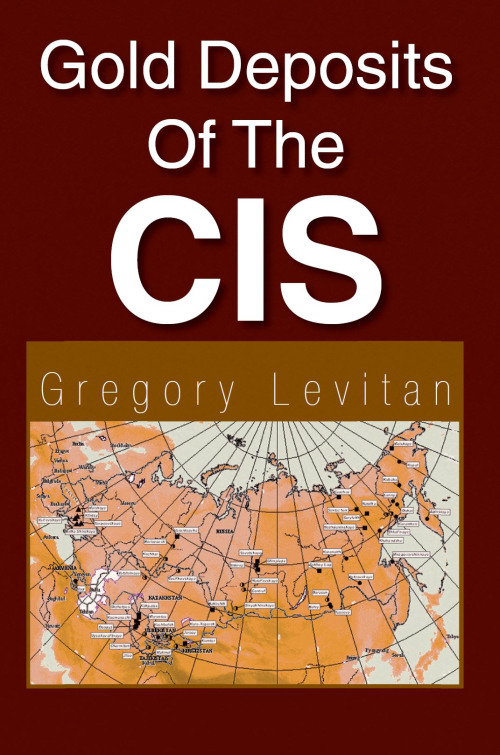
The Commonwealth of Independent States (CIS), which was formed in December 1991 upon the dissolution of the former Soviet Union (FSU), includes the former republics of Azerbaijan, Armenia, Belarus (Byelorussia), Georgia, Kazakhstan, Kyrgyzstan, Moldova, Russia, Tajikistan, Turkmenistan, Uzbekistan, and Ukraine. The FSU was for many decades, until the end of the 1980s, the second-largest gold producer in the world after South Africa. Peak gold production in the FSU of about 290 t was reached in 1979, with a subsequent decline to about 220-230 t by the early 1990s.
Золотые месторождения во всём мире – один из наиболее привлекательных для инвесторов высоколиквидных минерально-сырьевых объектов. Рассматриваемое в работе месторождение Сукари является одним из значительных золоторудных объектов на территории Аравийско-Нубийского щита и представляет интерес для понимания геологии золоторудных месторождений, расположенных на северо-востоке Египта.
Золотые месторождения во всём мире – один из наиболее привлекательных для инвесторов высоколиквидных минерально-сырьевых объектов. Рассматриваемое в работе месторождение Сукари является одним из значительных золоторудных объектов на территории Аравийско-Нубийского щита и представляет интерес для понимания геологии золоторудных месторождений, расположенных на северо-востоке Египта.