Добрый день, Коллеги. Важное сообщение, просьба принять участие. Музей Ферсмана ищет помощь для реставрационных работ в помещении. Подробности по ссылке
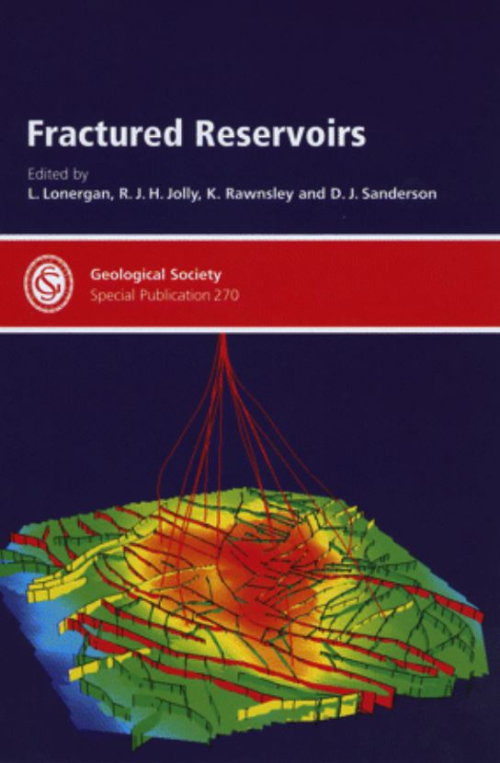
Preface Outcrop studies Stephenson, B. J., Koopman, A., Hillgartner, H., McQuillan, H„ Bourne, S., Noad, J. J. & Rawnsley, K. Structural and stratigraphic controls on fold-related fracturing in the Zagros Mountains, Iran: implications for reservoir development Wennberg, O. P„ Azizzadeh, M., Aqrawi, A. A. M., Blanc, E., Brockbank, P„ Lyslo, К. В., Pickard, N., Salem, L. D. & Svana, T. The Khaviz Anticline: an outcrop analogue to giant fractured Asmari Formation reservoirs in SW Iran Woodcock, N. H., Dickson, J. A. D. & Tarasewicz, J. Р. T. Transient permeability and reseal hardening in fault zones: evidence from dilation breccia textures Rotevatn, A., Fossen, H., Hesthammer, J., Aas, T. E. & Howell, J. A. Are relay ramps conduits for fluid flow? Structural analysis of a relay ramp in Arches National Park, Utah Geophysics Worthington, M. H. & Lubbe, R. The scaling of fracture compliance Emsley, S. J., Shiner, P., Enescu, N., Beccacini, A. & Cosma, C. Using VSP surveys to bridge the scale gap between well and seismic data Pettitt, W. S. & King, M. S. Laboratory measurements of acoustic emissions and wave velocities associated with the formation of fractures in sandstones
Numerical and analogue modelling studies Olson, J. E., Laubach, S. E. & Lander, R. H. Combining diagenesis and mechanics to quantify fracture aperture distributions and fracture pattern permeability
This book has its origin in an interdisciplinary graduate class that I’ve taught at Stanford University for a number of years and a corresponding short course given in the petroleum industry. As befitting the subject matter, the students in the courses representa variety of disciplines – reservoir engineers and geologists, drilling engineers and geophysicists. In this book, as in the courses, I strive to communicate key concepts from diverse disciplines that, when used in a coordinated way, make it possible to develop a comprehensive geomechanical model of a reservoir and the formations above it. I then go on to illustrate how to put such a model to practical use.
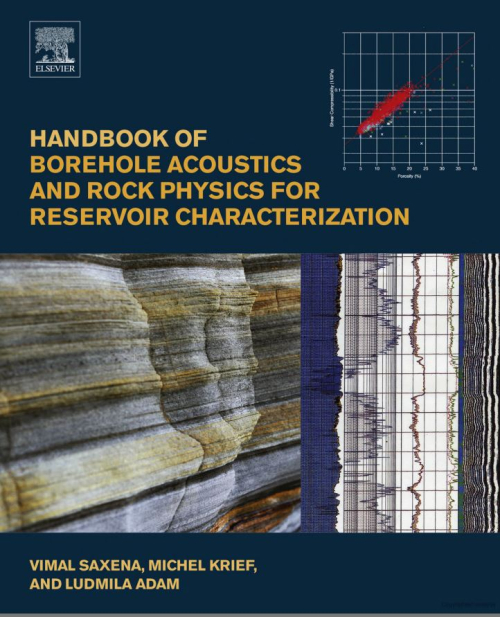
Seismic technology has been an integral part of hydrocarbon exploration since the first seismic exploration patent in 1917 and the first field test in Oklahoma in 1921. Borehole acoustics was first patented in 1935 and successfully developed later as a continuous velocity logging tool, providing a much finer vertical subsurface perspective than seismic acoustics. Rock physics is the crucial discipline that interfaces acoustic wave amplitude and velocities, from seismic or borehole sonic measurements, with petrophysical characterization. The foundation for theoretical rock physics can be traced back to seminal works between the 1940s and the 1960s by Maurice A. Biot and Fritz Gassmann.
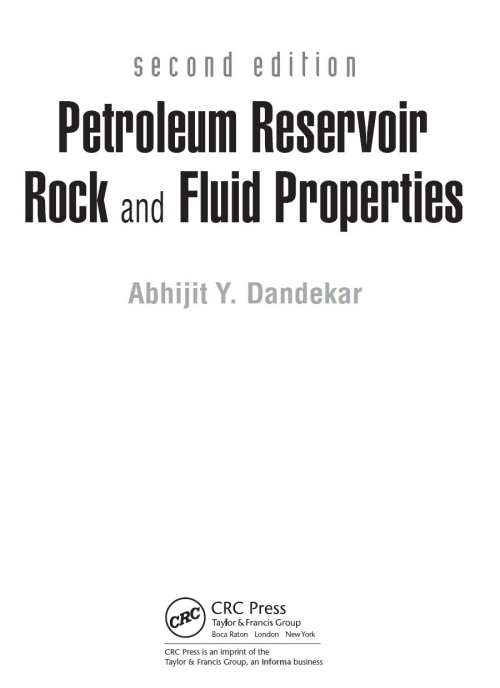
The primary purpose and scope of this book were already covered in great detail in the first edition. Therefore, rather than repeating that information again and dwelling on the details, only the highlights and changes made in the second edition distinguishing it from the first edition are included here.
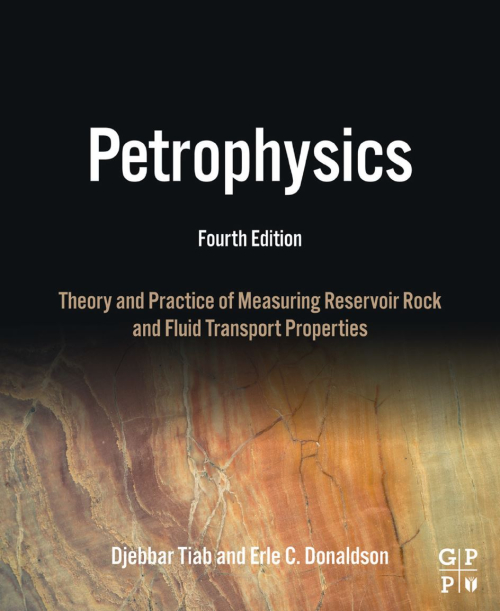
Petrophysics is the study of rock properties and their interactions with fluids (gases, liquid hydrocarbons, and aqueous solutions). The geologic material forming a reservoir for the accumulation of hydrocarbons in the subsurface must contain a three-dimensional network of interconnected pores in order to store the fluids and allow for their movement within the reservoir.
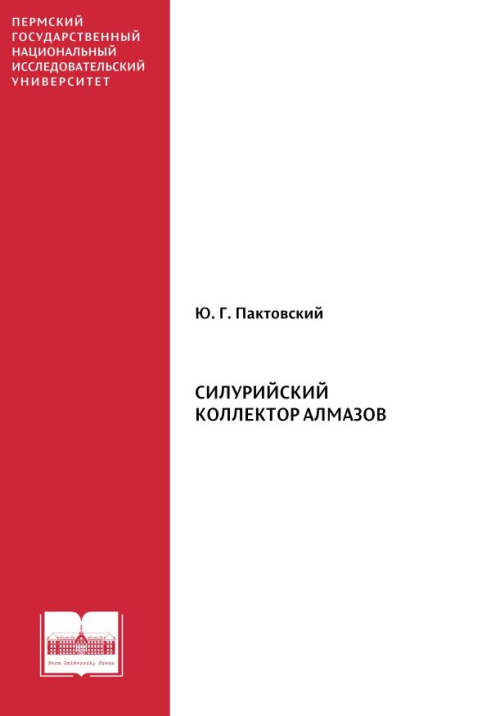
Монография состоит из пяти глав, в которых обобщен опыт поисковых работ на россыпные алмазы на Урале. В первой главе дана сводка о геологическом строении Вишерского алмазоносного района (ВАР). Во второй рассмотрена история геологического развития ВАР в позднем протерозое. В третьей описаны раннепалеозойские промежуточные коллекторы алмазов на Урале. В четвертой главевпервые изучены ветрогранники в основании силура на территории ВАР. Пятая глава посвященаисследованию геологического строения силурийского коллектора алмазов и модели образования алмазоносных россыпей эолового типа. Книга адресована геологам, занимающимися поисками россыпей алмазов, а также может быть полезной преподавателям, аспирантам и студентам вузов.
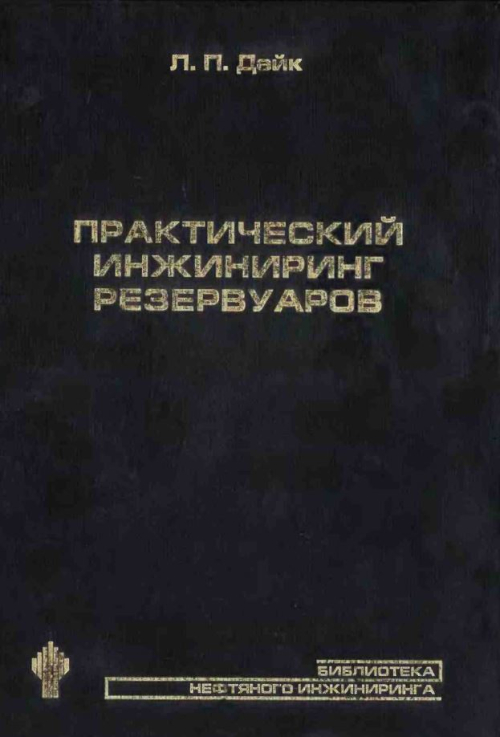
Настоящее издание представляет собой наиболее известную и популярную книгу, посвященную изучению коллекторов углеводородов. Здесь не только обобщены наиболее известные теоретические подходы к описанию процессов разработки, но также обсуждаются особенности проведения промысловых экспериментов и методики оценки их результатов. Особое место в книге занимает обсуждение основополагающих принципов построения имитационных моделей пластовых систем и анализа основных параметров месторождения.
COSGROVE, J. W. The role of structural geology in reservoir characterization ARCHER, J. S. Reservoir characterization and modelling: a framework for field development FREEMAN, B., YIELDING, G., NEEDHAM, D. T. & BADLEY, M. E. Fault seal prediction: the gouge ratio method CRAWFORD, B. R. Experimental fault sealing: shear band permeability dependency on cataclastic fault gouge characteristics GABRIELSEN, R. H., AARLAND, R.-K. & ALSAKER, E. Identification and spatial distribution of fractures in porous, siliciclastic sediments
Настоящее издание является обобщением опыта специалистов института ООО «РН-БашНИПИнефть» по моделированию и анализу исследований скважин и пластов, полученного за период с 2008 по 2023 г. при анализе гидродинамических исследований скважин на территории месторождений ООО «РН-Юганскнефтегаз», ООО «РН-Пурнефтегаз», ООО «Башнефть-Добыча», ООО «Башнефть-Полюс», АО «НК «Конданефть», ООО «РН-Северная нефть», ПАО «Варьеганнефтегаз», ПАО «Славнефть-Мегионнефтегаз». Практическим результатом многолетней работы по развитию и совершенствованию методов ГДИС, описанных в монографии, стала их реализация в корпоративном программном комплексе «РН-ВЕГА», разработанном сотрудниками ООО «РН-БашНИПИнефть» (дочернее общество ПАО «НК «Роснефть»).