Добрый день, Коллеги. Важное сообщение, просьба принять участие. Музей Ферсмана ищет помощь для реставрационных работ в помещении. Подробности по ссылке
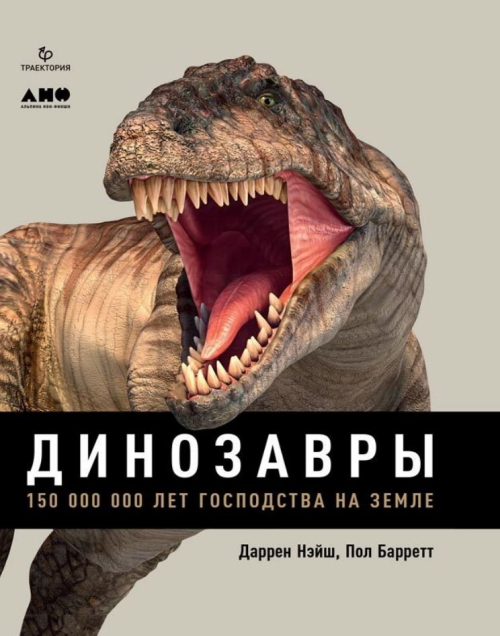
Динозавры – одни из самых поразительных животных, когда-либо существовавших на Земле. Появившись в триасовом периоде около 230 млн лет назад, они царствовали на суше в течение последующих юрского (от 201 до 145 млн лет назад) и мелового периодов (от 145 до 66 млн лет назад). За это время динозавры заселили все континенты и породили сотни различных видов, из которых на сегодняшний день открыто более тысячи.
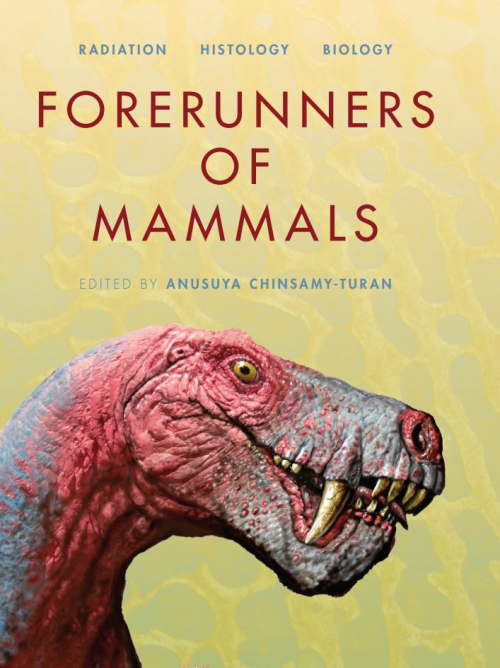
This book brings together a group that has over many years researched various aspects of the evolution and paleobiology of the synapsids. Many of us have collaborated in our research endeavors, and all of us have at some stage shared information and had many hearty discussions about the biology of our distant relatives. The book comprises eleven chapters. The first two chapters provide an introduction to the predecessors of mammals and their relatives, and an assessment of the ancient world in which they radiated. The opening chapter sets the scene, providing a guide of “who” the synapsids were and how they are related to one another. In this chapter, Tom Kemp provides an up to date assessment of the radiation of the synapsids from their earliest pelycosaur members, to the diverse nonmammalian therapsids, and later to the increasingly more mammal-like cynodonts. All this is done from a global perspective <...>
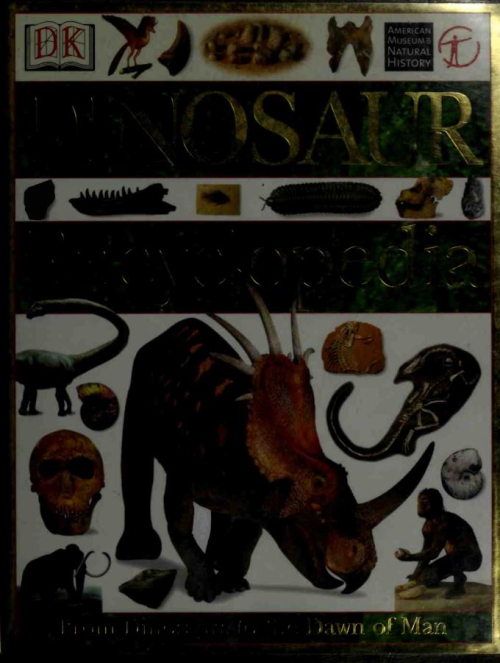
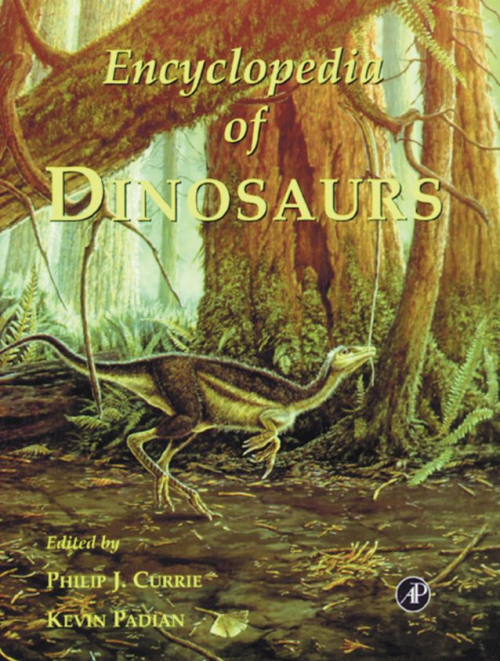
The Encyclopedia of Dinosaurs is a complete source of information on the subject of dinosaurs, contained within the covers of a single volume. Each article in the Encyclopedia provides an overview of the selected topic to inform a broad spectrum of readers, from researchers to the interested general public. In order that you, the reader, will derive the maximum benefit from the Encyclopedia of Dinosaurs, we have provided this Guide. It explains how the book is organized and how the information within it can be located. <...>
Динозавры в наш технический век? Моря в нашем степном краю? Да, и останки доисторических животных, и слолы исчезнувших морей смогут найти ребята увлеченные и пытливые. Но свою научно-популярную книгу ведущий широко известной и любимой ребятами телевизионной передачи «Не за тридевять земель» адресует не только юным исследователям. Ведь любознательность, целеустремленность, умение кропотливо трудиться и фантазировать нужны в любом деле
In 1842, the British comparative anatomist Richard Owen (1804–1892) coined the word dinosaur. Owen constructed this word from the Greek words deinos, meaning “terrible” (though Owen considered it to mean “fearfully great”), and sauros, meaning “lizard” or “reptile.” To Owen, the “fearfully great lizards” were large, extinct reptiles known from only a handful of fossils discovered in western Europe since the 1820s. Today, dinosaur fossils are known from all continents and represent thousands of distinct types of dinosaurs. In this chapter, I briefly answer some basic questions about dinosaurs and introduce some topics discussed at greater length in this book.
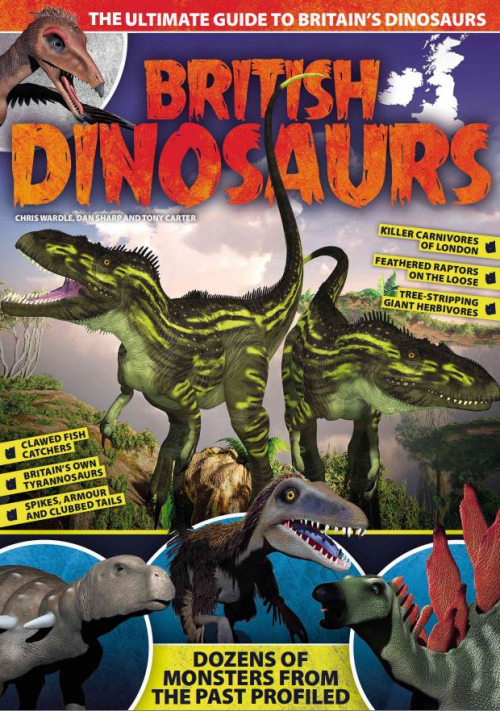
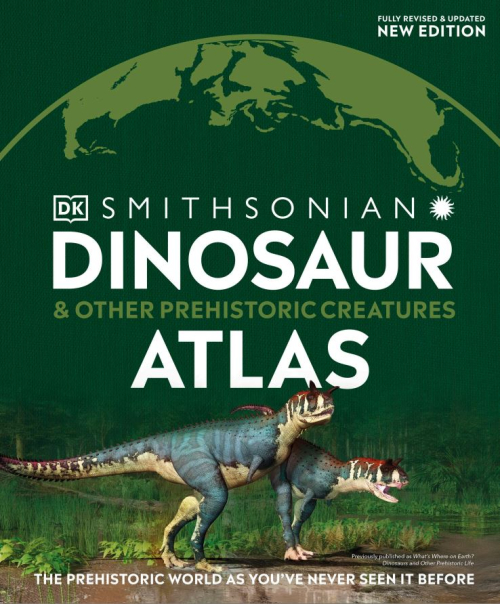
My adventures as a palaeontologist have taken me to many exciting places at home, in the UK, and abroad, and led to the discovery of new species. Working with teams of colleagues, I named the new dinosaurs Eotyrannus, Xenoposeidon, Mirischia, and Vectaerovenator, and the pterosaurs Vectidraco and Eurazhdarcho. One of the things that interests me most about dinosaurs, giant sea reptiles, and other ancient animals, is that every one of them has a unique history, just as animals do today. <...>
My adventures as a paleontologist have taken me to many exciting places at home, in the UK, and abroad, and led to the discovery of new species. Working with teams of colleagues, I named the new dinosaurs Eotyrannus, Xenoposeidon, Mirischia, and Vectaerovenator, and the pterosaurs Vectidraco and Eurazhdarcho. One of the things that interests me most about dinosaurs, giant marine reptiles, and other ancient animals is that every one of them has a unique history, just as animals do today. <...>
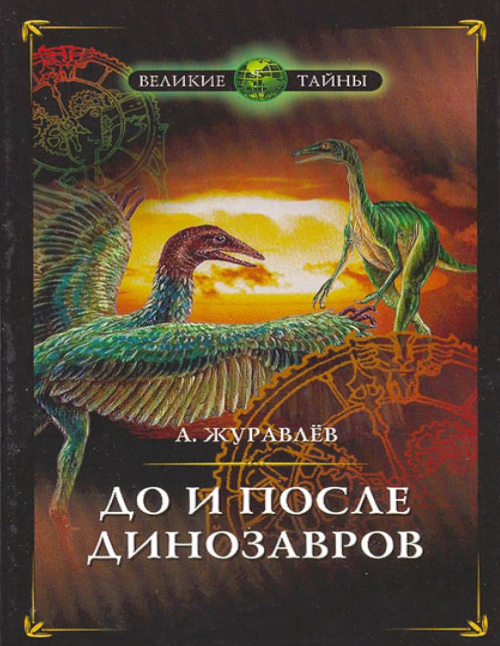
Автор книги пытается изложить понятным языком достижения современной палеонтологии — науки, изучающей историю жизни на Земле. Нынешняя палеонтология требует прочных знаний законов физики и химии, умения считать (и не только на пальцах), глубокого понимания методов статистики, не говоря уже о разделах современной биологии. Эта наука смело вмешивается в дела планетарной физики и движения материков, загоняет в тупик своими открытиями биологов. Она способна не только рассказать о том, как выглядела Земля в отдаленном прошлом, но и о том, что произойдет с нашей планетой в будущем. Под одной обложкой собраны наиболее интересные сведения о тех, кто населял нашу планету в течение почти четырех миллиардов лет