Добрый день, Коллеги. Важное сообщение, просьба принять участие. Музей Ферсмана ищет помощь для реставрационных работ в помещении. Подробности по ссылке
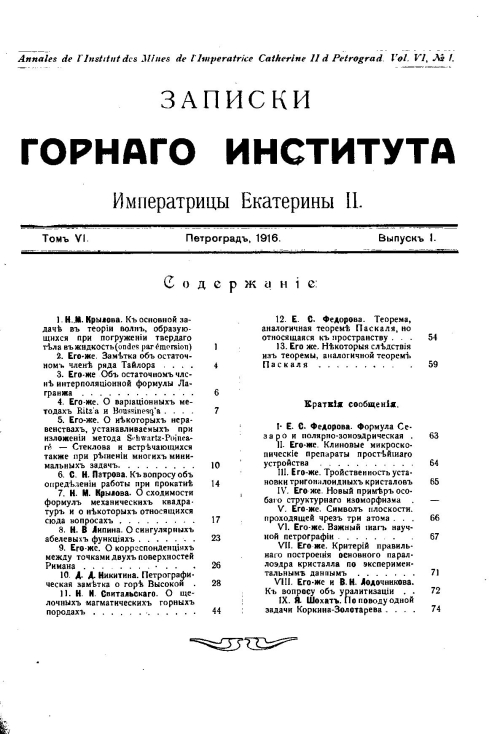
Математические методы при геологических исследованиях с каждым годом приобретают все более широкое и разностороннее применение. Если в прошлом применение этих методов составляло отличительную особенность географических исследований, то в настоящее время различные математические методы получили возрастающее значение в области геохимии, кристаллографии, тектоники,палеонтологии и в других разделах геологических наук.Заинтересованность геологов в использовании математических методов определяется стремлением к переходу от чисто качественного описания явлений к их более строгому количественному анализу.Этот необратимый процесс характеризует постепенное превращение геологии в один из разделов точного естествознания.
зложены основные понятия теории вероятностей и математической статистики, используемые при обработке геологоразведочной ннформации. Дана характеристика математических методов, применяемых при прогнозе, поисках и разведке месторождений полезных ископаемых. Приведены практические рекомендации по использованию этих методов в геологических исследованиях. Рассмотрены вопросы устойчивости и достоверности получаемых статистических выводов.
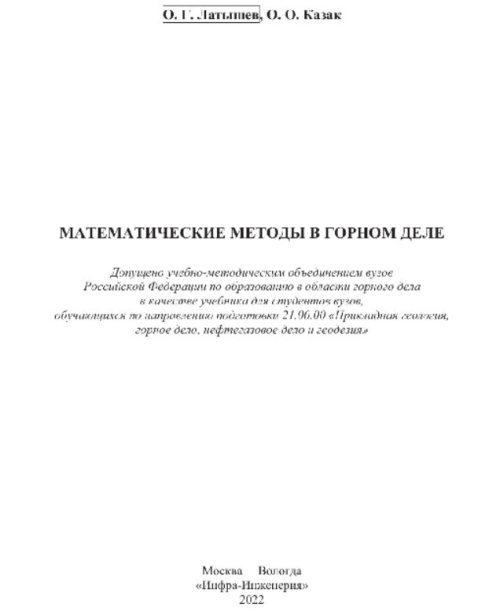
Приводятся необходимые сведения о теории вероятностей и математической статистике. Даются систематические сведения по организации и планированию инженерного эксперимента и его обобщенная стратегия. Излагаются методы обработки и анализа результатов исследования процессов горного производства, основанные на статистической проверке гипотез, дисперсионном и корреляционном анализе. Обсуждаются основы инженерного прогнозирования, включающие анализ временных и пространственных рядов, построение эмпирических зависимостей, и экспертные оценки. Для студентов, изучающих горное дело. Может быть полезно при организации научно-исследовательской работы студентов, выполнении курсовых проектов и выпускных квалификационных работ инженеров.
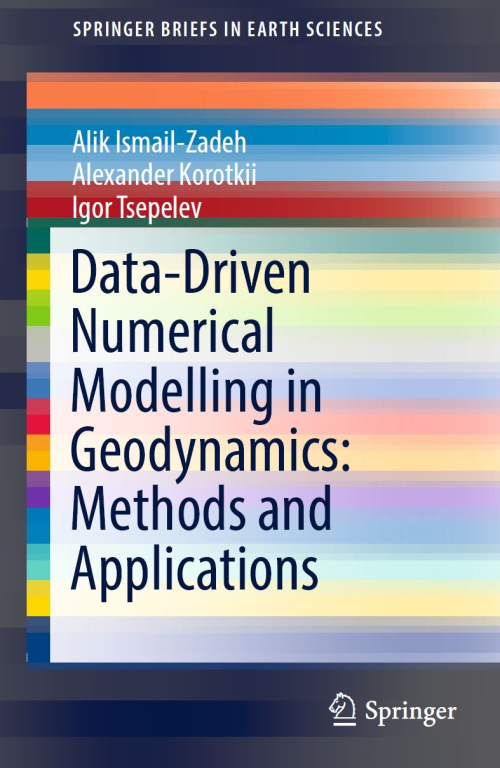
Dynamic processes in the Earth’s interior and on its surface can be described by geodynamic models. These models can be presented by a mathematical problem comprising a set of partial differential equations with relevant conditions at the model boundary and at the initial time. The mathematical problem can be then solved numerically to obtain future states of the model. Meanwhile the initial conditions in the geological past or some boundary conditions at the present are unknown, and the question of how to “find” the conditions with a sufficient accuracy attracts attention in the field of geodynamics. One of the mathematical approaches is data assimilation or the use of available data to reconstruct the initial state in the past or boundary conditions and then to model numerically the dynamics of the Earth starting from the reconstructed conditions. <...>
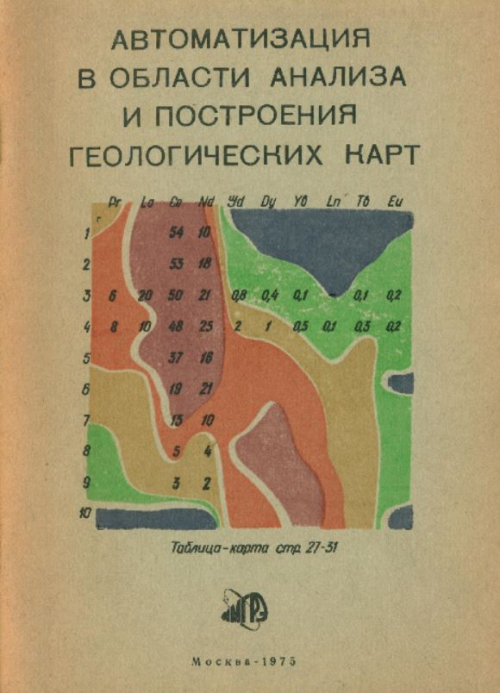
В статьях сборника ставятся новые вопросы и проблемы автоматизации анализа и построения геологических карт с применением ЭВМ, оптических анализаторов, координатографов. Особенно актуальное значение это имеет для карт территорий со сложным геологическим строением, которым отличаются районы с редкометальной минерализацией. В статье по проблемам автоматического анализа геологических карт затронуты методические и технические вопросы и дано несколько примеров автоматического и полуавтоматического анализа с применением ЭВМ и специальной аппаратуры. В другой статье дано применение тренда при оптико-минералогическом картировании.
В результате многолетнего проведения геохимических поисков накоплен огромный фактический материал, обобщение которого значительно отстаёт от вопросов практики. Любое познание означает уточнение суждений об изучаемых явлениях, И на определённом этапе это приводит к их количественным характеристикам. Тогда появляется возможность использования математического аппарата,который.при правильном его применении является мощным средством извлечения полезной информации из имеющихся данных.
В настоящем издании публикуются материалы первой в Казахстане научной конференции по применению математических методов в геологии. Статьи посвящены актуальным вопросам применения математических методов при региональных и металлогенических исследованиях, поиска и разведки месторождений полезных ископаемых, подсчета запасов минерального сырья, изучения тектонических и фильтрационных процессов в земной коре, а также вопросам методологии геологической науки и формализации геологических понятий. В сборнике нашли отражение как давно применяемые в геологии методы математики, математической статистики и теории вероятностей, так и некоторые новые методы, например дискретного анализа, теории статистических решений, теории распознавания образов и другие. Издание представляет интерес для широкого круга геологов, геохимиков, геофизиков.
Обобщен опыт разработки и применения математических методов при прогнозно-металлогенических исследованиях. Приведены общая содержательная и формальная постановки задачи прогнозирования как процесса принятия решения в условиях неопределенности; описаны статистико-игровые и эвристические методы, дан их сравнительный анализ; разработана структура единой автоматизированной системы прогнозирования. Рассмотрены методы автоматической классификации и предварительной обработки геолого-геофизических данных. Изложены результаты наиболее полных и законченных исследований по применению математических методов и ЭВМ при прогнозировании и поисках месторождений полезных ископаемых в различных районах Советского Союза (Кольский полуостров, Казахстан, Рудный Алтай). Книга рассчитана на геологов, занимающихся проблемами прогнозирования месторождений полезных ископаемых.