Добрый день, Коллеги. Важное сообщение, просьба принять участие. Музей Ферсмана ищет помощь для реставрационных работ в помещении. Подробности по ссылке
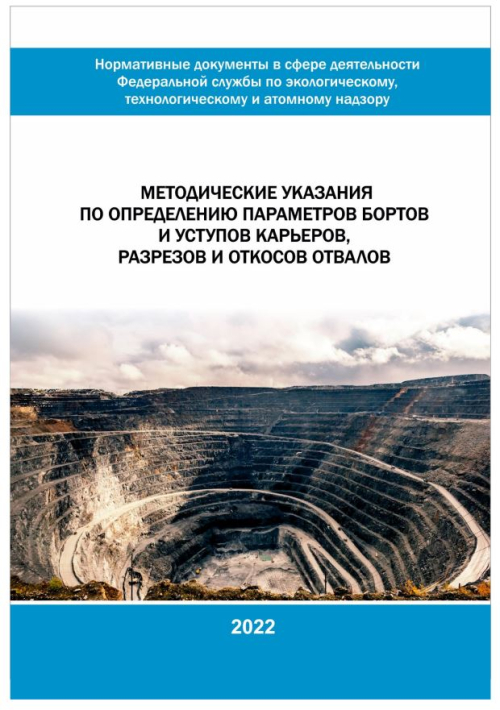
Настоящие методические указания разработаны в соответствии с действующими нормативными документами, содержат предложения и рекомендации по оценке и управлению рисками, организации мониторинга и выработке мероприятий по управлению устойчивостью бортов и уступов карьеров, разрезов и отвалов.
В методических указаниях приведены пояснения к Федеральным нормам и правилам в области промышленной безопасности «Правила обеспечения устойчивости бортов и уступов карьеров, разрезов и откосов отвалов», утвержденным приказом Ростехнадзора N 439 от 13.11.2020, а также представлены рекомендации по их применению.
Подготовлено под научно-методическим руководством Института проблем комплексного освоения недр им. академика Н.В. Мельникова Российской академии наук. Рекомендовано Ростехнадзором (письмо №07-00-04/245 от 03.03.2022).
Настоящие методические указания разработаны в соответствии с действующими нормативными документами, содержат предложения и рекомендации к определению параметров бортов и уступов карьеров, разрезов и откосов отвалов.
В методических указаниях приведены пояснения к Федеральным нормам и правилам в области промышленной безопасности «Правила обеспечения устойчивости бортов и уступов карьеров, разрезов и откосов отвалов», утвержденным приказом Ростехнадзора N 439 от 13.11.2020, а также приведены рекомендации по их применению.
Подготовлено под научно-методическим руководством Института проблем комплексного освоения недр им. академика Н.В. Мельникова Российской академии наук. Рекомендовано Ростехнадзором (письмо №07-00-04/245 от 03.03.2022).
Рассмотрены геомеханические процессы, характерные для подземной разработки рудных месторождений. Впервые включены разделы по геомеханике воронок обрушения, комбинированной разработки, подработки водных объектов. Приведены примеры решения наиболее характерных геомеханических задач с использованием практически всех современных методов.
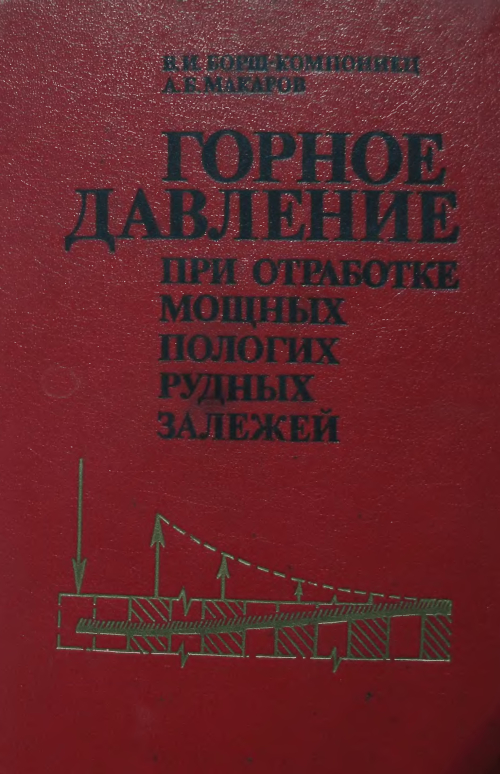
Изложены сведения о напряженно-деформированном состоянии целиков и кровли камер при камерно-столбовой системе разработ ки, междукамерных целиков при^ многослойной выемке запасов иг мощных пологих рудных залежей. Рассмотрены сдвижение горных пород и методы управления им при целиках с искусственной податливостью и упрочненных, а также основные закономерности проявления горного давления при отработке с закладкой выработанного пространства. Освещена повторная разработка месторождений при камсрно-столбовой системе.
Для инженерно-технических работников предприятий, научно-исследовательских и проектных организаций горно-рудной промышленности.
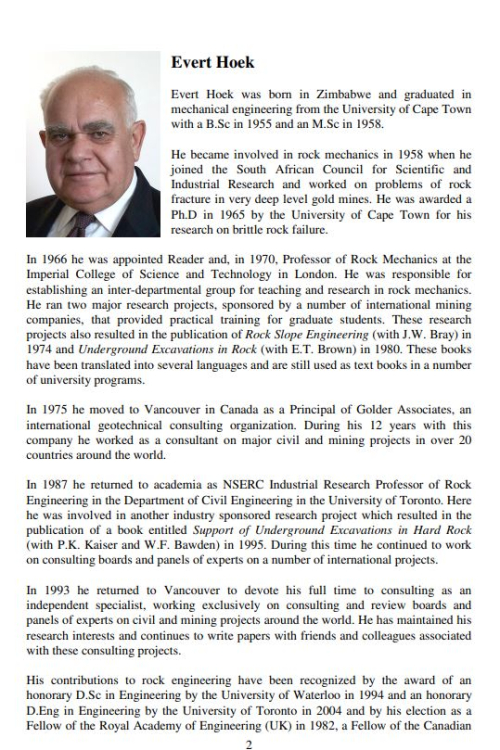
These notes were originally prepared during the period 1987 to 1993 for undergraduate and graduate courses in rock engineering at the University of Toronto. While some revisions were made in 2000 these were difficult because the notes had been formatted as a book with sequential chapter and page numbering. Any changes required reformatting the entire set of notes and this made it impractical to carry out regular updates.
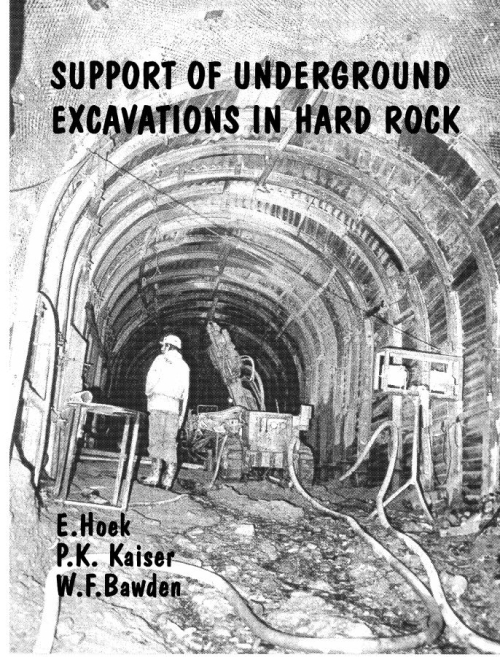
This volume is the product of four years of research carried out under the direction of Professor Evert Hoek of the Department of Civil Engineering at the University of Toronto, Professor Peter K. Kaiser of the Geomechanics Research Centre at Laurentian University and Professor William F. Bawden of the Department of Mining Engineering at Queen's University.
Q-slope is an empirical rock slope engineering method for assessing the stability of excavated rock slopesin the field. Intended for use in reinforcement-free road or railway cuttings or in opencast mines, Q-slope allows geotechnical engineers to make potential adjustments to slope angles as rock mass conditions become apparent during construction. Through case studies across Asia, Australia, Central America, and Europe, a simple correlation between Q-slope and long-term stable slopes was established. Q-slope is designed such that it suggests stable, maintenance-free bench-face slope angles of, for instance,
This is intended to be a reference manual for Geotechnical Engineers. It is principally a data book for the practicing Geotechnical Engineer and Engineering Geologist, which covers:
• The planning of the site investigation.
• The classification of soil and rock.
• Common testing, and the associated variability.
• The strength and deformation properties associated with the test results.