Добрый день, Коллеги. Важное сообщение, просьба принять участие. Музей Ферсмана ищет помощь для реставрационных работ в помещении. Подробности по ссылке
This volume represents the final contribution of the International Geological Correlation Program Project 260 'Earth's Glacial Record'. The project was active from 1987 until 1991. It succeeded IGCP Project 24 'Quaternary Glaciations in the Northern Hemisphere', and Project 38 'Pre-Pleistocene Tillites'. Thus, its goal was to promote further research on glaciations, whatever their age and location, and to encourage geologists working in Modern or Quaternary sequences and those working on Pre-Pleistocene rocks to share their experience and different approaches. In this way we hoped to emphasize and illuminate global aspects of glacial phenomena in addition to facies description and regional problems.
В процессе познания истории Земли важной задачей является определение возраста геологических формаций, горных пород, Мирового океана, атмосферы и, наконец, планеты в целом. Всеми этими вопросами занимается отрасль геологического знания, называемая геологической хронологией.
В работе излагаются результаты литолого-стратиграфических исследований верхнепалеозойских и мезозойских отложений северной части Предверхоянскаго краевого прогиба и детально описана история его геологического развития. На основе критического анализа материалов по стратиграфии и литологии рассматриваемого комплекса отложений произведен их литолого-формационный анализ и впервые намечены стратиграфические интервалы, благоприятные для образования формаций коры выветривания и связанных с ними полезных ископаемых. В заключительной части работы намечены перспективы нефте-газоносности, угленосности и других полезных ископаемых осадочного генезиса, связанных в основном с формациями коры выветривания. Работа иллюстрируется необходимыми диаграммами, рисунками, фотографиями и палеогеографическими картами. Книга предназначена для широкого круга геологов, занимающихся изучением геологического строения и выявлением минерально-сырьевых ресурсов Якутской АССР, а также для студентов, интересующихся вопросами региональной геологии.
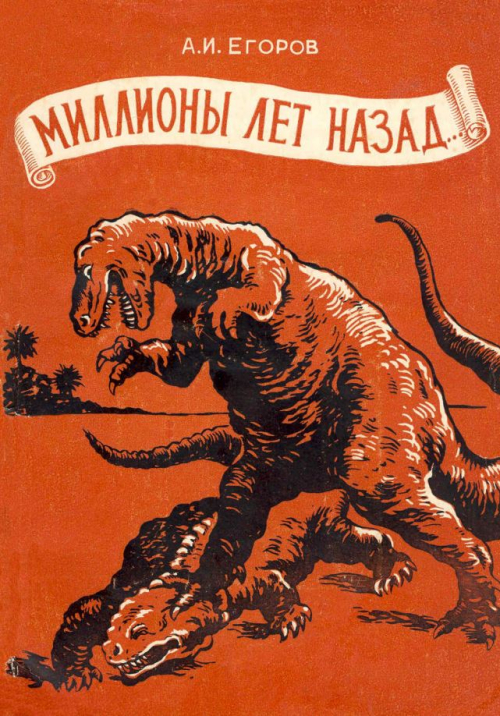
Миллионы лет назад... Как легко произносим мы эти три слова и как трудно нашему мысленному взору охватить такую череду лет! А ведь история нашей планеты насчитывает миллиарды, т. е. тысячи миллионов лет. С чем сравнить этот огромный промежуток времени? С человеческой жизнью? Можно, но это все равно, что сравнить ложку воды, скажем, с Азовским морем. Попробуйте вычерпать его ложкой, и вы поймете истинный смысл соотношения продолжительности жизни человека и Земли. Нет, человеческая жизнь слишком коротка для измерения жизни нашей планеты! <...>
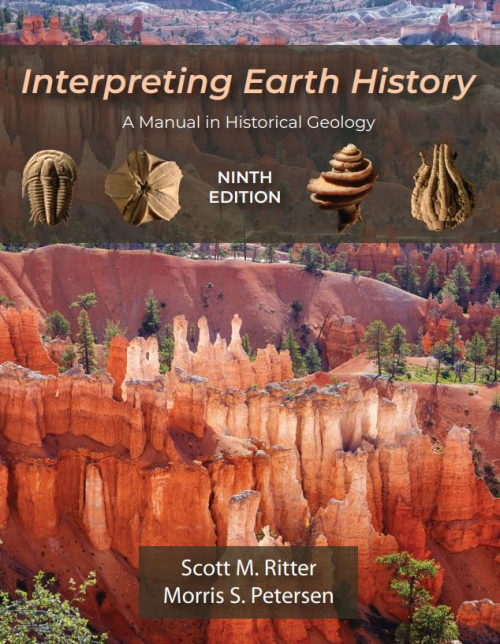
The discovery of “deep time” is one of geology’s greatest contributions to human understanding. The conceptual foundations laid by eighteenth- and nineteenth-century geologists working in relatively small geographic areas paved the way for development of the modern high-resolution geological timescale (figure 1.1), which spans 4.6 billion years of Earth history and applies to geological features anywhere on Earth.
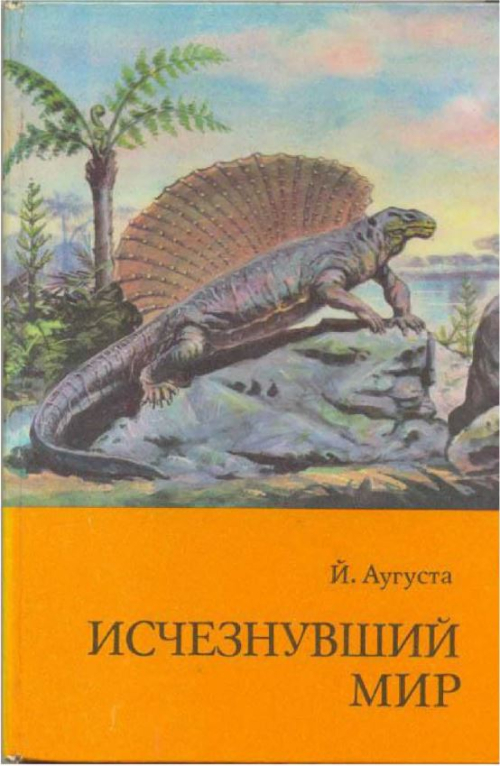
Автор — известный чешский ученый, профессор, доктор наук, знакомит читателей с животным и растительным миром давно прошедших геологических эпох, отдаленных от нашего времени многими миллионами лет. Рассказано также о жизни первобытных людей, их каждодневной борьбе с трудностями и опасностями существования в те далекие времена.
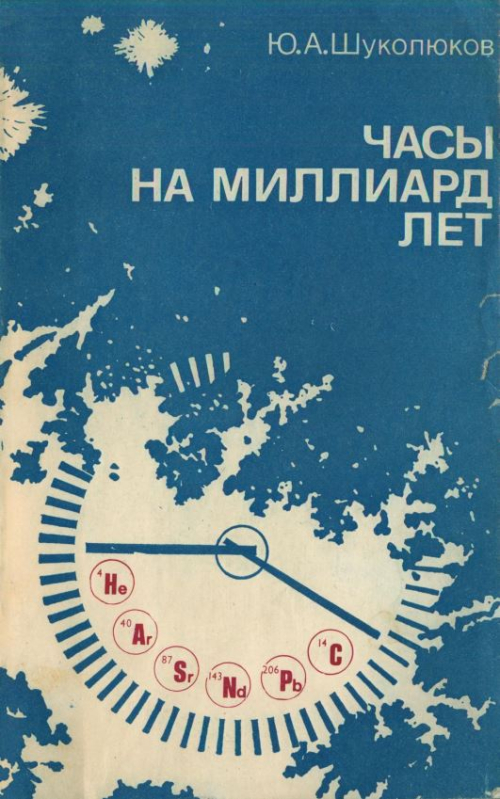
В книге рассказывается о радиоактивных «часах». Эти часы соз« даны и пущены самой природой. По ним определяют время событий, которые происходили на Земле миллионы и миллиарды лет назад. С помощью радиоактивных часов измеряют возраст Земли, Луны, метеоритов, гор и морей, узнают время образования минералов, появления и гибели животных и растений, датируют время оледенения, падения метеоритов или извержения вулканов, которые действовали еще до появления человека на Земле. Первое изд. вышло в 1977 г.
Книга рассчитана на студентов, на всех, кто интересуется строением и историей Земли и планет.
Сборник посвящен актуальным проблемам истолкования времени и использования связанных со временем понятий в геологии. Изложены различные подходы к решению общетеоретических аспектов проблемы, рассмотрено их влияние на построение временных геологических характеристик и на конкретное применение этих характеристик в практике стратиграфических исследований докембрия и фанерозоя